Here in England, students are voting with their feet: the numbers studying Computing at higher levels are going down. I hate to say "We told you so" but....
It's not as if nobody warned 'them'.
Read More
Here in England, students are voting with their feet: the numbers studying Computing at higher levels are going down. I hate to say "We told you so" but....
It's not as if nobody warned 'them'.
Read MoreThe Computing curriculum doesn't have to sound boring and nothing but coding.
Read MoreListen to my interview with Vicki Davis about how to get the most out of #iste17 and other conferences -- and grab my book for £0.99/$0.99 or equivalent (plus VAT if applicable) -- a third of its usual price.
Read MoreWhat's my day looking like so far? Main item on my to-do list: don't die from the heat. My most-looking forward to item? Writing the latest issue of my newsletter.
Read MoreWhat does the latest research from Besa tell us about who schools listen to when it comes to ed tech product recommendations?
Read MoreNot everything is a million miles away or up in the cloud, when it comes to education technology.
Read More
The classroom is a great place to conduct some research. Picture by Jordan Dreyer
In my opinion, every teacher should be a researcher, and I think that especially applies to teachers who have some degree of influence of what education technology is bought and used.
Finally, do share your research and findings, whether from your own research or reading, with other people. If you haven't already done so, start a blog. Or share on Twitter or Facebook.
You might like my article, Education Technology research, and how it's reported
In case you became sidetracked earlier, here's the sign-up form for my newsletter, Digital Education:

Photo by Abel Tan Jun Yang CC0
8 conferences, and a whopping half price offer. What's not to like?
Read More
Photo by Keem1201 CC0
The EdTechX Europe conference is coming, and I've secured a 35% discount for readers of the ICT & Computing in Education website, and 50% off for subscribers to my newsletter, Digital Education. Read on for more details.
Read MoreWhy taking advice on what to wear for a conference talk isn't always a good idea.
Read More
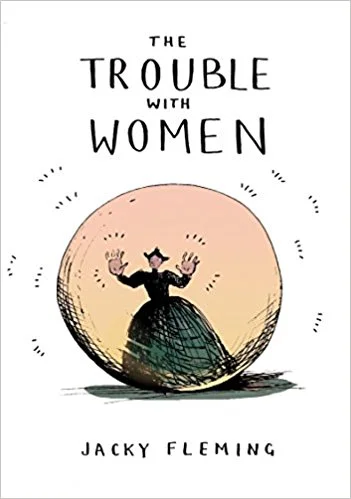
I’ve just read Everyday Sexism [Amazon affiliate link] by Laura Bates. Before I go any further, I suppose I ought to explain why. What does this subject matter have to do with teaching computing and ICT?
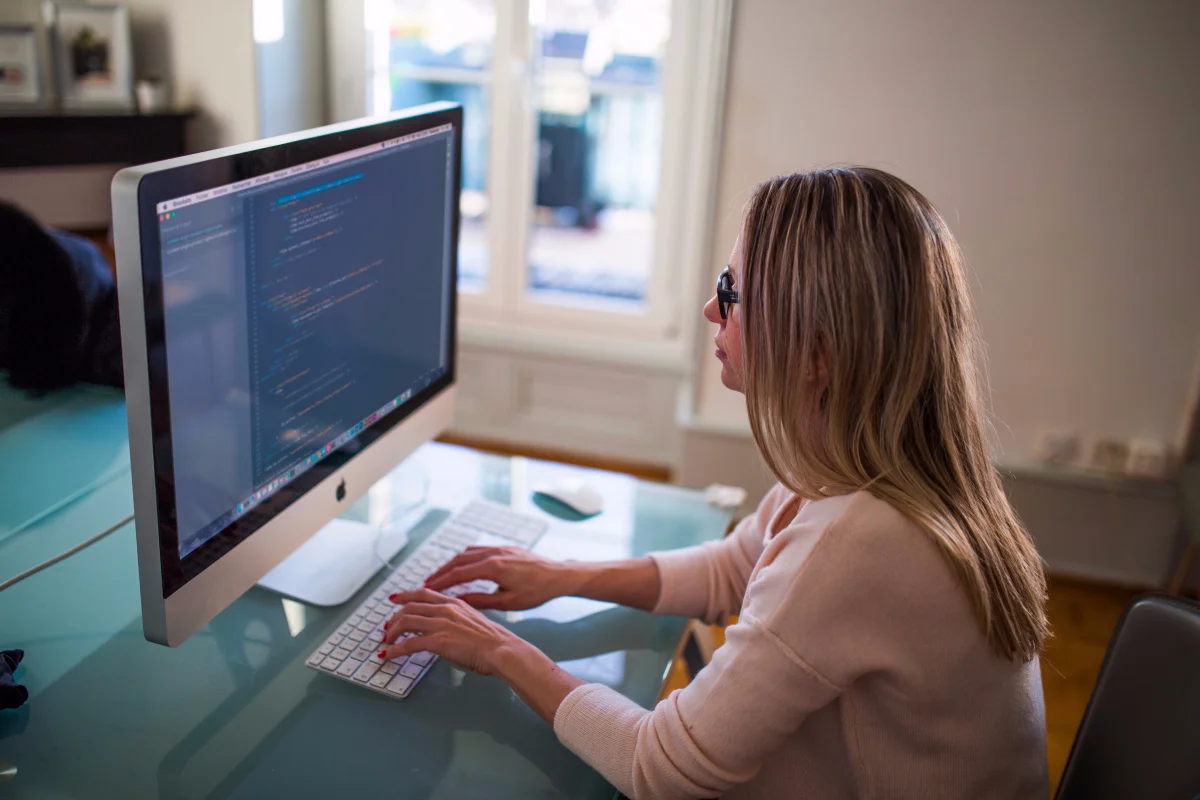
Well, I don't think there can be any doubt about the fact that a lot of girls are put off going into computing, whether as a course in school or in their career choices. So I wondered how far the kinds of issues girls face in school, especially in subjects like computing which are seen by too many people as a male preserve, are part of a wider picture.
In many respects this book is pretty depressing. It's bad enough that grown women have to put up with unwanted attention, but children?!
I think girls and women would find the book useful, to help them realise that lots of others experience the same kind of thing. I think boys and men should read it too, to find out how it must feel to be on the receiving end of sexist comments.
One of the things that struck me was the complaint that male teachers say things like, "Come on, you don't want to be beaten by a girl do you?". I can see why girls would feel belittled by that sort of remark, even if it was intended as a lighthearted means of galvanising the boys into making a greater effort.
I remember doing the opposite: saying to the boys in my Computing class that I'd like them to be quiet and let the girls answer, as I'd rather listen to a well-thought out response than some half-baked comment shouted across the room. Was that unacceptable too, do you think?
Most of the book might be described as 'relentless': wave after wave of intrusive and even threatening comments. For me, the best chapter is the last one, because it portrays women as strong and powerful rather than as almost powerless victims.
In this context you might like to read my article, Where are the girls in ICT and Computing?
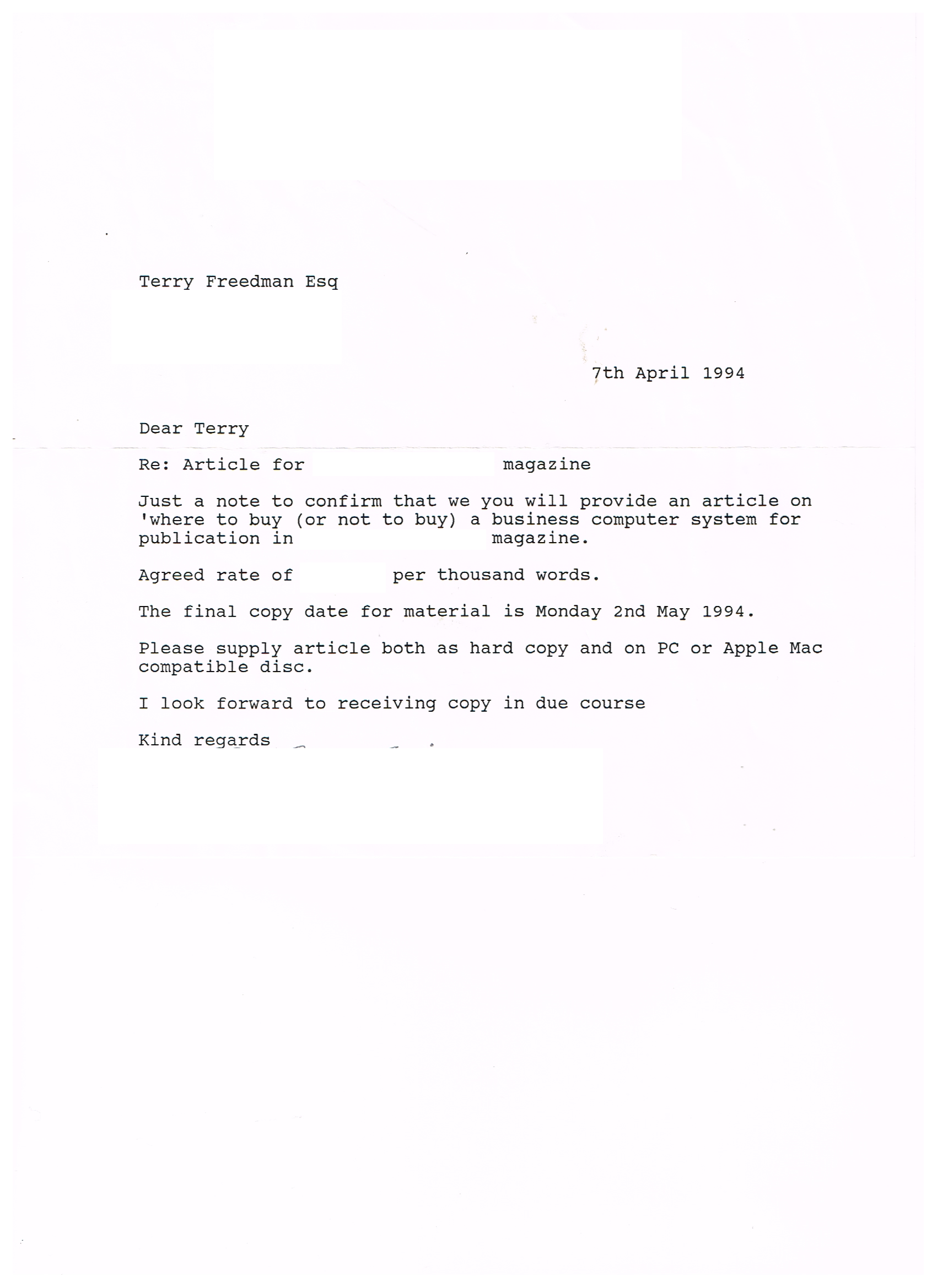
In 1994 I set out with my wife to discover the best place to buy a computer system -- and discovered a lot of sexism along the way.
You would hardly believe the ridiculous things that 'genius' men have said about women's capabilities. I can't help thinking that if Ada Lovelace had been a man we'd have had computers at least one generation before we did. Anyway, here are my views on a book that deals with the issue.
The forthcoming issue of the Digital Education ezine features 9 interesting articles. This article gives you the lowdown on three of the topics covered, and how to sign up to it.
Are girls and women biologically predetermined to not be natural programmers? No, I don't think so either. This article contains some interesting points based on recent discussions, and links to (hopefully) useful articles.
In 1994 I set out with my wife to discover the best place to buy a computer system -- and discovered a lot of sexism along the way.
"As soon as I found out about how to write code, I was hooked. I realised that this was what I should have been doing all along." Anna Shipman, who works for the Government Digital Service, talks about her love of coding.
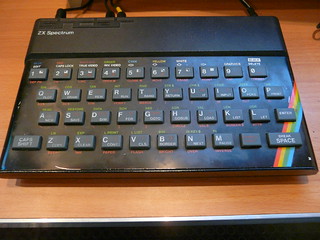 In this, the last of a three-part series on girls and women in computing, PhD student and Further Education lecturer Amanda Wilson describes how an early interest in computing followed by picking up everything she could while working led to a dream job.
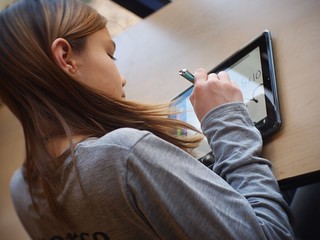 In this, the second of a three-part series about girls and women in Computing, school student Ellie Gregson suggests why girls tend not to choose STEM subjects.
Young people love to use technology. In school, we jump at the opportunity to use the iPads for research, or to use laptops for typing up essays or creating PowerPoints in class. In my school, when an iPad trolley is dragged into the classroom at the start of a lesson, there is always a race between the students to the front of the classroom, desperate not to have to share it with others, or be stuck with a tablet with a 10% battery life remaining.
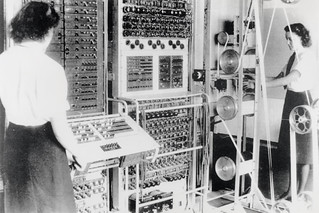 This is the first of three articles about girls and women in Computing.
On March 8th it was International Women's Day.

The book reviewer's desk, by Terry Freedman. For more book reviews, sign up to Digital Education, where this review first appeared.
Like to receive information about my newly-published books, and occasional special offers? Just sign up to my newsletter, Digital Education:
The latest issue of the Digital Education has a load of stuff in it: book reviews, articles and a chance to win a copy of The Power of Networks.
Read on for more details, and a sign-up form.
Read MoreWhy background reading and reading around the subject are good things to do, plus three books I recommend for students (and teachers).
Read MoreInformation about my ebook, Education Conferences, plus where to buy it on Kobo.
Read MoreHow is your travel data used, and what the trade-offs in terms of private costs and benefits? This is the second post in a series about data and privacy, and artificial intelligence.
Read MoreHow much data are you prepared to give away, and what are you prepared to allow organisations to do with it? The answers in my case surprised me.
Read MoreChatbots that appear to be emotionally intelligent are being developed. Imagine how useful they might be in schools.
Read More
Illustration by Mary, CC0
It's a great idea to do classroom-based research, but here are 7 caveats to bear in mind.
Read More
Half Star, by Clker Free Vector Images CC0
Here are 21 points to think about when evaluating a resource, plus suggestions of how to use the list in a team exercise.
Read More
View from the terrace at the House of Lords, by Terry Freedman
Teacher retention is an issue -- and that's an understatement. This conference will look at issues such as teacher motivation, professional development and education as a self-improving profession, to name just three.
It takes place on 4th May 2017.
Read More(c) Terry Freedman All Rights Reserved

I wrote and published this more than ten years ago (in 2014). Apart from the fact that some terminology has changed and some resources are no longer available, it is still relevant. What a sad situation.