Leaving aside issues of copyright and related matters, two things strike me about this question….
Read Morerobot - lego — photo by Terry Freedman


robot - lego — photo by Terry Freedman
Leaving aside issues of copyright and related matters, two things strike me about this question….
Read More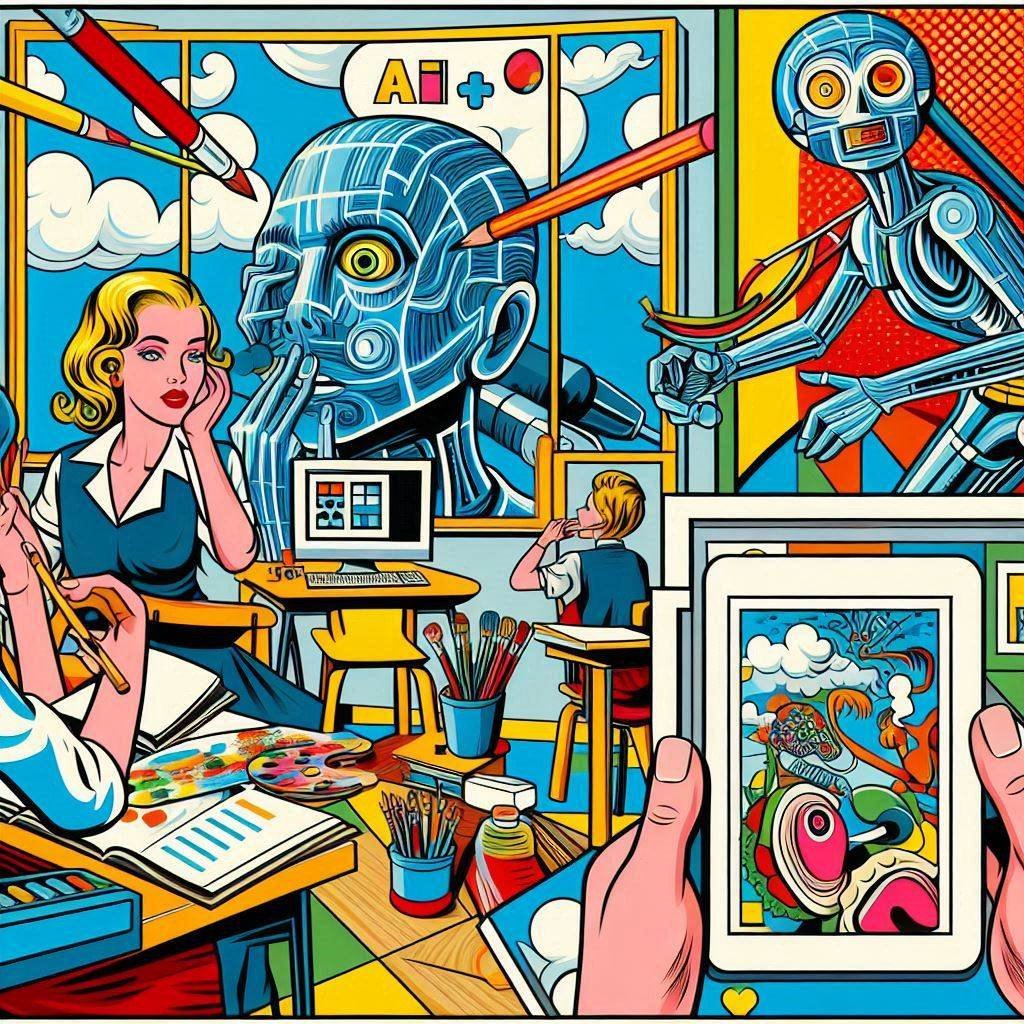
Created using Bing Image Creator
I published this two years ago. I thought it might be interesting to have a look at it again.
Read More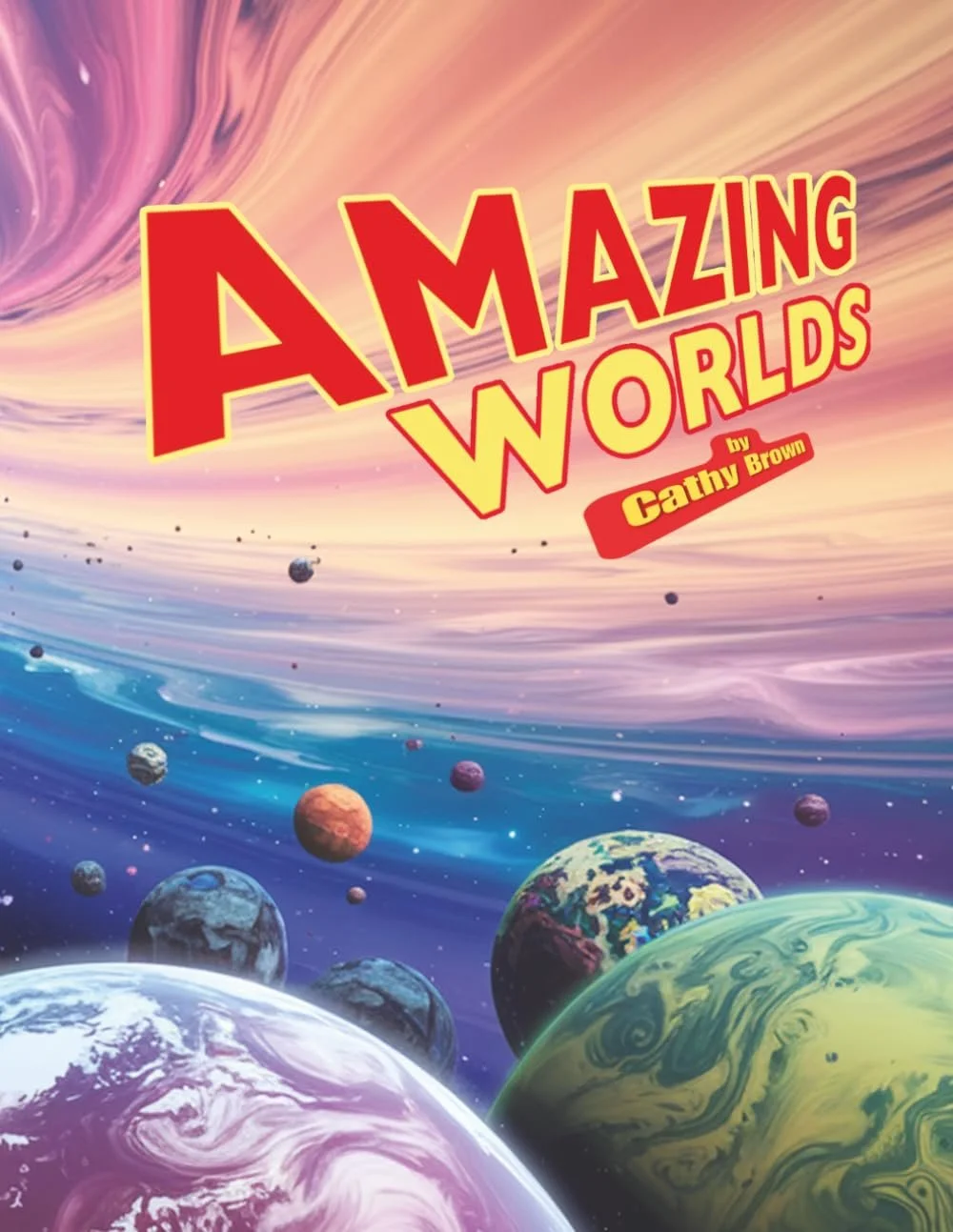
Click the here to see this book on Amazon (affiliate link)
A very good showcase for what can be achieved from a partnership between imagination and AI.
Read MoreHow is it that ChatGPT, Claude and other Al models appear to perform so well at certain complex tasks that some people become convinced that they're sentient — only for them to then promptly fail at simple tasks that even a child could handle?
Read MoreI asked Claude to convert a pdf flyer into an HTML format I could insert into a Markdown block in Squarespace. Here’s the result…
Read MoreI’ve been experimenting with using artificial intelligence apps to help me format documents. Here is a description of the process I went through.
Read More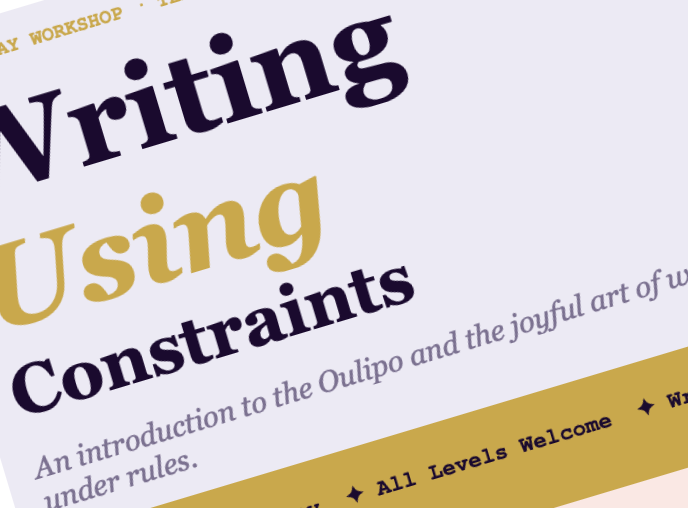
Oulipo flyer screenshot, by Terry Freedman
In a couple of weeks’ time I shall be teaching a course called Creative Writing Using Constraints, at the City Lit in London. I felt that the blurb on the City Lit’s website was a bit mundane. So I got AI to write a better one.
Read More
robot, by Terry Freedman
Have you noticed that more and more companies seem to have outsourced their customer service to an AI bot?
Read MoreAn AI expert recently advised people to just subscribe to the premium version of one of the AI apps, rather than waste time hopping between several free ones all the time. Hmmm….
Read MoreI came across a “resource” recently that consists of hundreds of “ready-to-wear” AI prompts.
Read MoreI submitted my review of this book to Teach Secondary magazine, an educational magazine in the UK. The first review is what the magazine published. The second one is what I actually wrote! In substantive terms there is little difference between the two, but you may find it interesting to see what the editor altered.
Read MoreI keep coming across articles and research about schools’ AI policies — or the lack of them. It seems to me that we’ve been here before, with policies about teachers’ and departments’ use of technology, and e-safety. There is a familiar pattern…
Read MoreIt is not easy to tell just by looking at the cover, but here is what I suggest.
Read MoreIn this comprehensive and highly readable Dr Bot, Blease tackles a wide range of issues, including some that are apposite for those working in schools.
Read More
Photo by Terry Freedman
I came across an interesting article about AI increasing workload rather than reducing it.
Read MoreThe author, Mechelle Gilford, explores how AI may render our usual way of interpreting the concept of “gifted” obsolete.
Read MoreDr Bot discusses something I hadn’t really considered…
Read More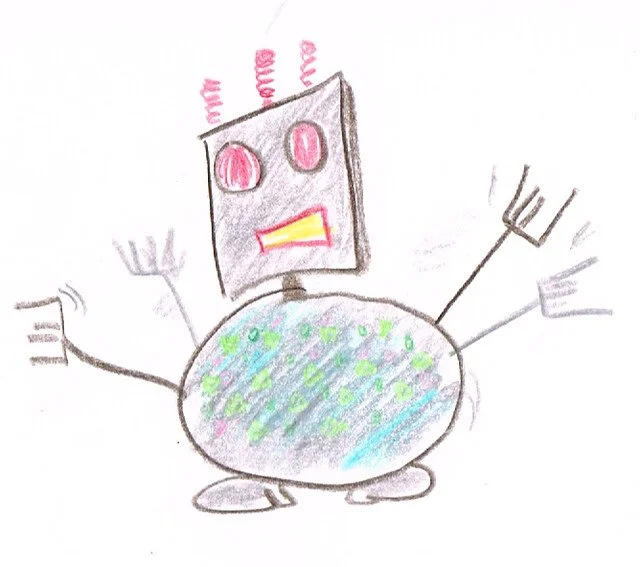
A cartoon robot, by Terry Freedman
In preparation for a course on blogging that I ran a few years ago, I wanted to see how far I could get using AI tools to help me with my intended audience, outlining a post and drafting a whole article.
Read More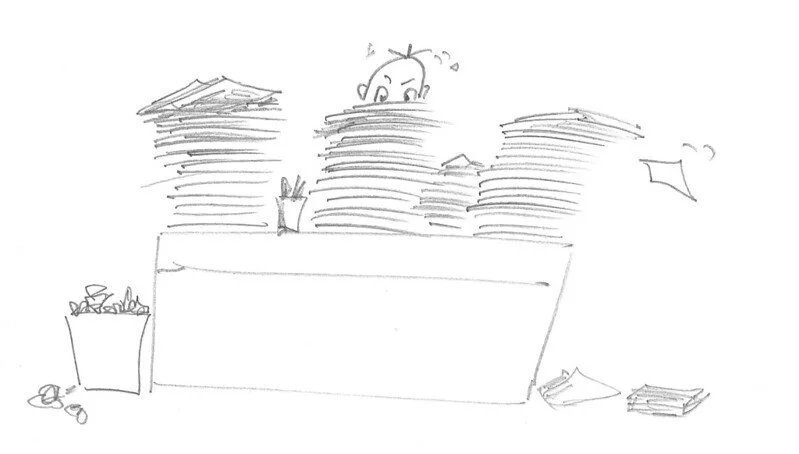
The title of this book invites curiosity: what were the other three ‘revolutions?
Read More
Illustration of algorithmic objectivity, generated in ImageFX
A topic to discuss with your students perhaps: the hidden bias in algorithms.
Read More(c) Terry Freedman All Rights Reserved