A few years ago I put myself forward to serve on the committee of the Society’s Educational Writers Group. As my three year tenure will be coming to an end soon, I’ve put myself forward for election to the Management Committee of the Society. That’s the group that decides policy and strategy. I think it’s very important that that committee includes a person who has been a teacher, and is still heavily involved in education, and writing for educational publications.
Read MoreIf you’ve thought about starting your own blog, but are not sure what to write about or what keeping a blog entails, then a course I’m teaching in December 2019 might be of interest.
Read MoreThe next edition of this esteemed newsletter has a cornucopia of links that will be of interest to teachers of computing and media literacy especially, and very little commentary! Read on to find out more.
Read MoreYour first day at school may seem terrifying, but hopefully it won’t be as bad as you think! Here are 8 tips you may find useful.
Read MoreThe season of training days and outside speakers is upon us. Here are 16 presentation and presenter quirks that drive me nuts.
Read MoreWhy I’m unfollowing people more and more.
Read MoreThe problem referred to in the title may be summarised as: who ya gonna kill? The car is hurtling along the road when a child steps out in front of it. The car is faced with a dilemma: kill the child, or the pedestrian waiting to cross the road, who would be in the car's path should it swerve to avoid the child. Terry Freedman explains why Lance Sharpe’s analysis was wrong.
Read MoreThe problem referred to in the title may be summarised as: who ya gonna kill? The car is hurtling along the road when a child steps out in front of it. The car is faced with a dilemma: kill the child, or the pedestrian waiting to cross the road, who would be in the car's path should it swerve to avoid the child. Guest contributor Lance Sharpe considers the problem from an Economist’s perspective.
Read MoreHere’s a brief note about why I wrote this mini-guide, and a couple of screenshots from its pages.
Read MoreIf you still have, or are planning to have, a computer lab, then these 24 things are essential to include.
Read MoreThe Reuters Institute’s report on Digital News 2019 has just been published. Here are a couple of extracts.
Read MoreGood news: the prize draw for How to Think Like a Coder will be run very soon, for subscribers to the Digital Education newsletter. Here’s what you need to know.
Read MoreGood news if you’re thinking about going to the TPEA conference in July.
Read MoreI’m all in favour of making teachers’ lives easier, but automated essay marking is not the answer.
Read MoreI’d rather teach pupils to program without going through the intermediary process of building a robot or anything else. Despite all the hype, I regard it as a massive waste of time.
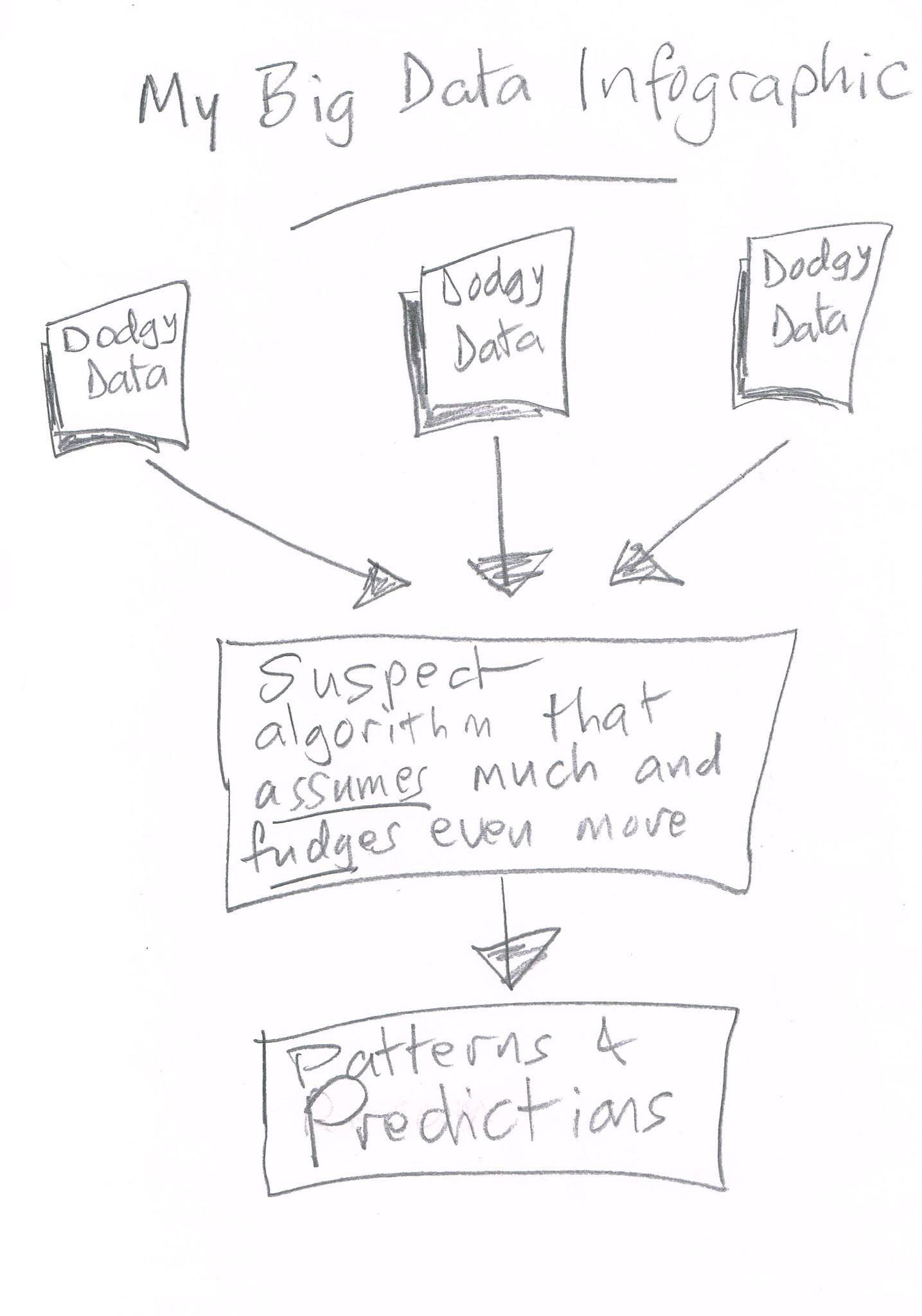
Read MoreUnless data can be turned into information, what’s the point of collecting it?
Read MoreHere are 4 useful bits of news. Topics covered: a forthcoming prize draw, podcast posts, a great-looking conference and my elbow.
Read MoreThis article details the steps that a few of us in ISTE, ITTE, TPEA and others have taken to investigate whether the ISTE Standards for Computer Science teachers, and their list of Computational Thinking Competencies, could be adapted for use in the UK. There’s also an opportunity for you to give us your opinions if you wish to.
Read MoreBoth young and old can suffer from digital exclusion.
Read MoreThe recent ed tech strategy from the Department for Education leaves much to be desired, not least because it’s so boring to read. I ran it through a word cloud and a textual analysis application. Here are my findings, along with recommendations and the introduction of my new SnoreMaster Awards.
Read More