David Brown, Ofsted's National Lead for Computing, answers some common questions.
For those not in Britain, Ofsted is the Office for Standards in Education, aka the inspectorate.


David Brown gets to the heart of the matter
David Brown, Ofsted's National Lead for Computing, answers some common questions.
For those not in Britain, Ofsted is the Office for Standards in Education, aka the inspectorate.
Here's a list of benefits of using education technology in lessons.
Read More
The Department of Education's recent "clarification" on the deployment of exclamation marks has taken micromanagement to a new level. They've issued edicts on textbooks and worksheets, now exclamation marks. Will they turn to the Computing curriculum next?
Read More
Should kids dictate the lesson? Photo from Pixabay.com CC0
The idea of allowing kids to decide what they learn in Computing lessons is simply wrong.
Read More
Remember these?
As it's World Book Day, what are my recommendations for books for teachers of Computing? This is by no means a definitive list -- think of it more as a starter.
Read MoreSome people are adamant that educational practice, or pedagogy, must be the first consideration, before technology is even mentioned. But is this actually right?
Read More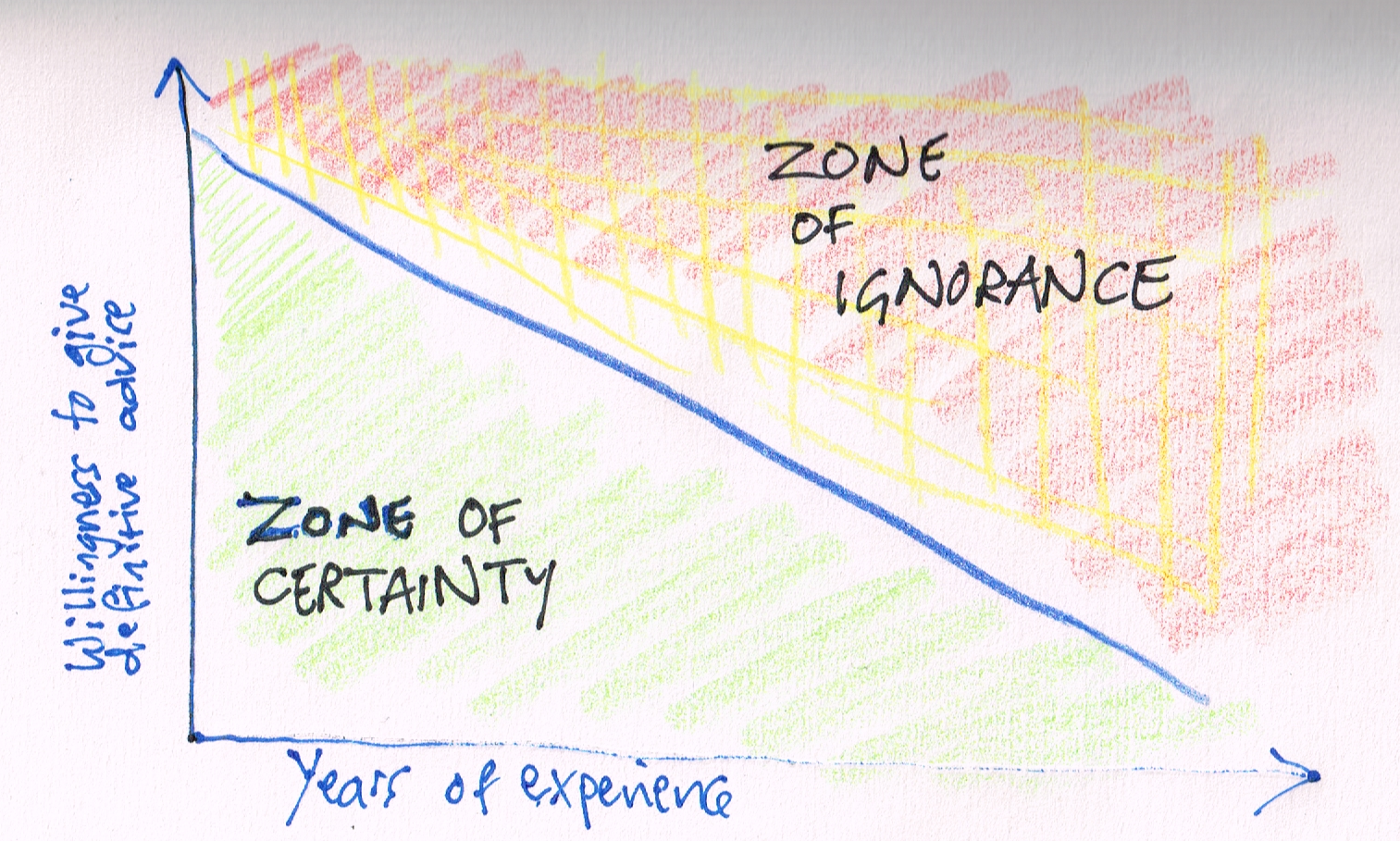
Ignorance vs certainty, by Terry Freedman
If a student fails your assessment tasks, it could be that she knows too much!
Read More
A visual representation of the Digital Education newsletter
With reports on Bett 2016 from 12 people, plus a humorous but incisive article on Nicky Morgan's speech at Bett (by Crispin Weston), and articles on assessment, Stephen Potter, parental engagement, a competition and book reviews, the forthcoming edition of Digital Education promises to be a fine read! Sign up now (it's free).
Read More
Diploma. Picture from Pixabay.com CC0
What's the latest position regarding which qualifications are available in ICT and Computing? This free document contains the information you need.
Read More
Picture from Pixabay.com CC0
Why did I start the series called "My best and worst IT lessons"? Shelly Terrell interviewed me and asked:
What inspired you to share your best and worse lessons?
How can reflecting on our best and worse lessons enhance our teaching?
Read More
Photo from www.pixabay.com CC0
Two new free publications are now available for subscribers to Digital Education.
Read More
Questions, questions, questions Picture from www.pixabay.com CC0
Whether or not you can easily look up the answers to questions is far less important than asking the right questions in the first place.
Read More
Suspicious enthusiasm? Picture from www.pixabay.com CC0
Why a lesson on spreadsheets became the highlight of the kids' day, and a nightmare to haunt me forever.
Read More
Modelling and reality. Picture from www.pixabay.com CC0
How objective are computers really? It's importtant to try to work out what is actually going on when it comes to modelling or running simulations.
Read MoreWhat happens when you visit a website? Information about those pesky cookies.
Read More
Flat file databases don't have to be boring: they can be an opporttunity for pupils to test their detective skills!
Read More
Read all about it. Picture from www.pixabay.com CC0
What you may have missed in the pre-Christmas Digital Education newsletter, and what's coming up in the next one.
Read More
It's all about setting up the right conditions. Photo from Pixabay.com CC0
What were the elements that made a history lesson (in a computer lab) about JFK so good?
Read More
Working together as equals can produce excellent results. Image from Pixabay.com CC0
In this new series I look at some of my best and worst lessons in ICT and Computing, and analyse what caused them to work -- or not.
Read More
You could let Grammarly take some of the strain of proofreading. Photo by Pink Sherbert Photography https://www.flickr.com/photos/pinksherbet/
Read about a proofreading tool that works on the web -- and maybe win a free subscription.
Read More(c) Terry Freedman All Rights Reserved