
If you still have, or are planning to have, a computer lab, then these 24 things are essential to include.
Read More
Digital News Report 2019 from Reuters
Notes from the desktop: digital news report
The Reuters Institute’s report on Digital News 2019 has just been published. Here are a couple of extracts.
Read More
New prize draw, and updated information on our competitions
Good news: the prize draw for How to Think Like a Coder will be run very soon, for subscribers to the Digital Education newsletter. Here’s what you need to know.
Read More
TPEA conference
Technology Pedagogy and Education Association Conference news
Good news if you’re thinking about going to the TPEA conference in July.
Read More
Assessment machine, by Terry Freedman
Artificial Intelligence and marking: pitfalls
I’m all in favour of making teachers’ lives easier, but automated essay marking is not the answer.
Read More
Be aware! By Terry Freedman
Is robotics a waste of time?
I’d rather teach pupils to program without going through the intermediary process of building a robot or anything else. Despite all the hype, I regard it as a massive waste of time.
Read More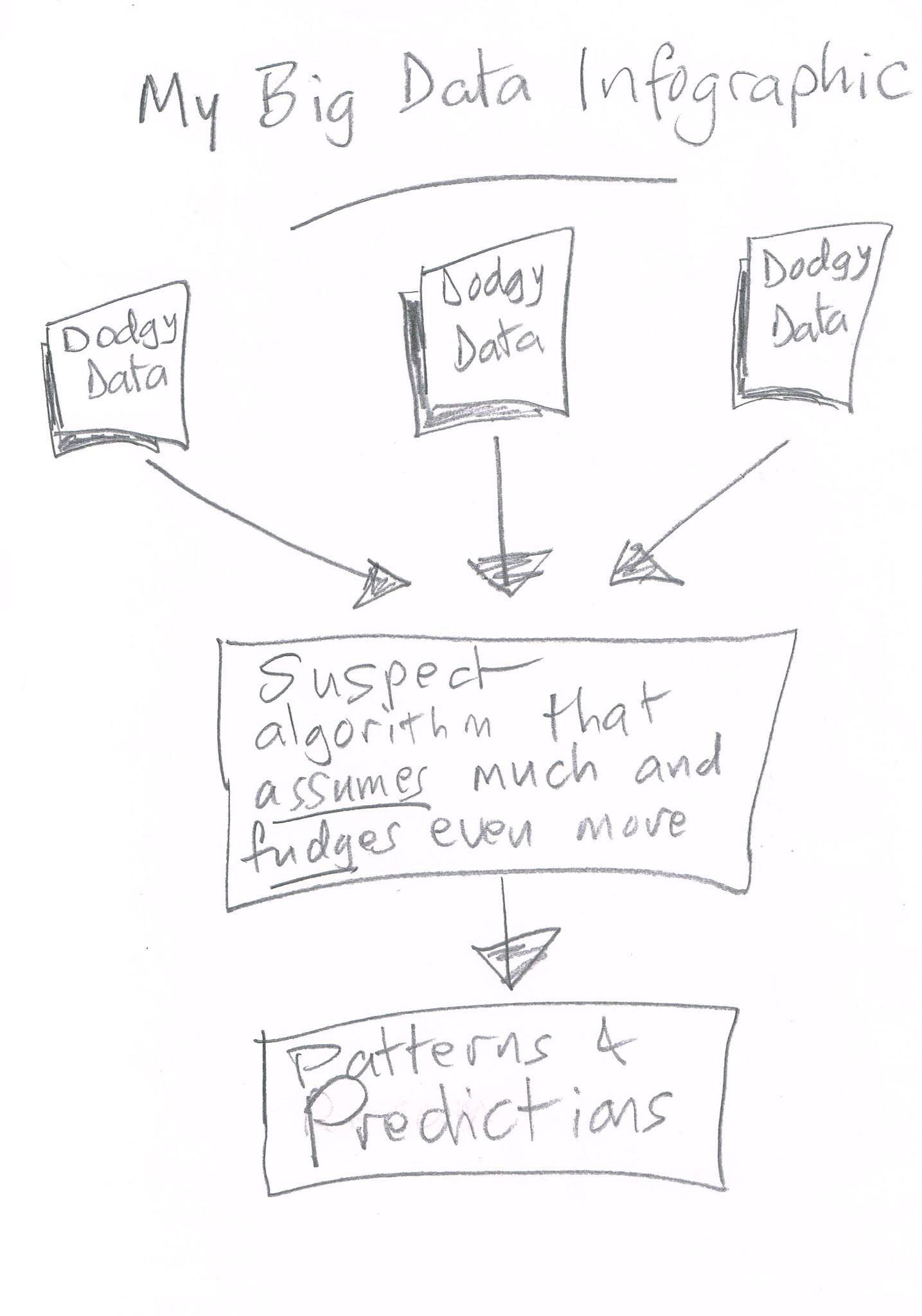
Big Data, by Terry Freedman
Data for its own sake is pointless
Unless data can be turned into information, what’s the point of collecting it?
Read More
Terry’s desk, by Terry Freedman
Notes from the desktop: a prize draw, a damaged elbow and a conference -- oh, and posts about podcasts
Here are 4 useful bits of news. Topics covered: a forthcoming prize draw, podcast posts, a great-looking conference and my elbow.
Read More
Partners. This illustration is from www.pixabay.com and has a CC0 licence.
Can the International Society of Technology in Education's Standards in Computing be adapted for use in the UK?
This article details the steps that a few of us in ISTE, ITTE, TPEA and others have taken to investigate whether the ISTE Standards for Computer Science teachers, and their list of Computational Thinking Competencies, could be adapted for use in the UK. There’s also an opportunity for you to give us your opinions if you wish to.
Read More
parking, by Terry Freedman
Digital Exclusion and Digital Equality
Both young and old can suffer from digital exclusion.
Read MoreThe new DfE education technology strategy: a textual analysis
The recent ed tech strategy from the Department for Education leaves much to be desired, not least because it’s so boring to read. I ran it through a word cloud and a textual analysis application. Here are my findings, along with recommendations and the introduction of my new SnoreMaster Awards.
Read More
Digital Education, by Terry Freedman.jpg
Coming up in Digital Education: introducing the new Snoremaster Awards
Here’s the list of articles in the next issue of Digital Education, my free newsletter.
Read More
The ed tech strategy, by Terry Freedman
My summary of the new ed tech strategy
I’ve drawn a picture to illustrate my feelings about the DfE’s ed tech strategy.
Read More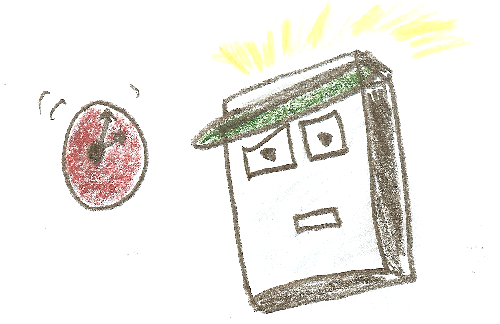
Robot reporter, by Terry Freedman
Artificial Intelligence in the Classroom
In my opinion, the potential benefits of artificial intelligence make it a very attractive proposition for use in education.
Read More
Forward to the past? Becta’s startegy challenges. Photo by Terry Freedman
The Department for Education's Ed Tech Strategy: better late than never?
My initial reflections on the Department for Education’s education technology strategy which was launched today. A bit like the curate’s egg, parts of it are excellent.
Read More
Photo by Nik MacMillan on Unsplash
Ofsted consultation on its proposed new Framework: my comments
There are only a few days to go before the consultation on the proposed new Ofsted framework closes. Here are my comments.
Read More
Newspaper, by Terry Freedman
Coming up in Digital Education
Here is a brief listing of some of the topics covered in the forthcoming edition of my ezine, Digital Education.
Read More
Computing books received, by Terry Freedman
Computing books received in March 2019
These books, which I received recently, look interesting, and I’m looking forward to reading and reviewing them. All book links are Amazon affiliate links.
How to think like a coder was shortlisted for an educational writers’ award, which you can read about here: The 2018 Educational Writers Award. I didn’t receive this in March, but have only now started to look at it in depth. I’ve already penned a few notes about it here: Books in Brief: How to think like a coder.
Monitored, which I’ve just started reading, is an examination of big data and surveillance from a Marxist perspective. I haven’t looked at any Marxist literature for a very long time — not since I tried to read Das Kapital when I was 17 (I got as far as page 23, which was 8 pages further than one of my teachers!) — so it’s a completely new perspective for me, which makes this an interesting, if difficult, read.
It covers similar ground to other books on the same subject matter that I have to review — indeed it references some of them — but with a clearly different take on the whole thing. I have to say that from the little I’ve read so far I remain unconvinced, and happily so.
Mission Python has been sent to me by Teach Secondary magazine. As the title suggests, it’s a book that teaches you how to program in Python. All I can say about it so far is that it looks colourful, and that I’m looking forward to reading it.

Photo by Mimi Thian on Unsplash
How to run a consultation
If you don’t want a consultation to give you answers you won’t like, here’s what to do. And if you’re a respondent to that kind of disingenuous process, here’s how to have your say anyway.
Read MoreHalf-price offer on my guide to getting the most out of conferences
UPDATED! For one week only, my guide to getting the most out of education conferences is available for half price.
Read More