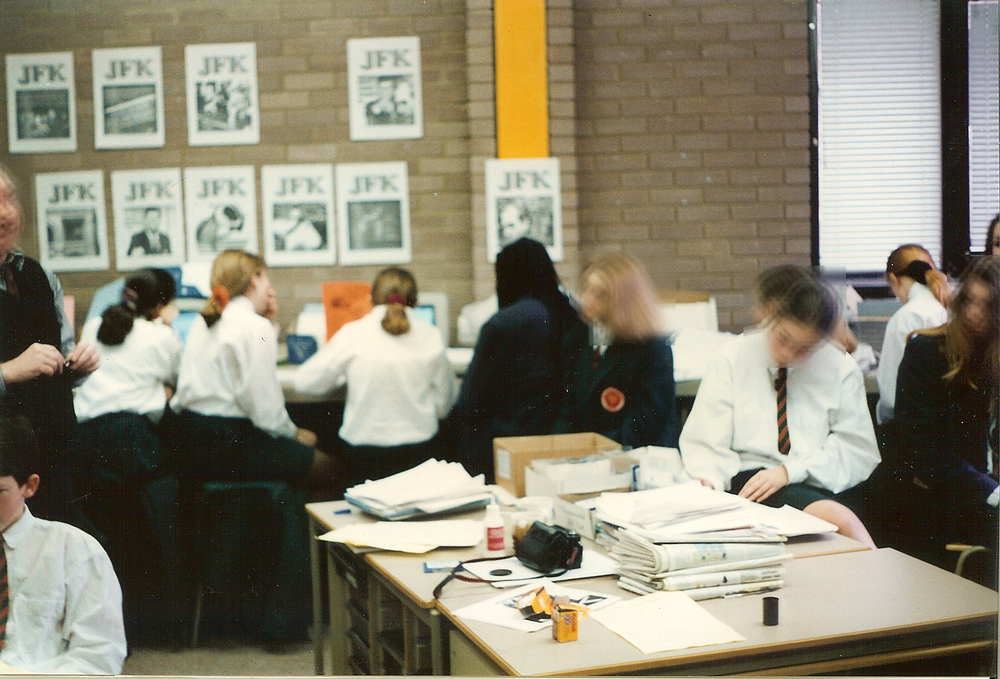
Routines are good, because pupils know what to expect. They are able to predict what is going to happen, and when. Some pupils, whose home lives are chaotic and unpredictable, may even feel safe because of routines. Here are some routines that I think are useful for Computing lessons.
Read MoreA lighthearted look at rubrics as a form of assessment.
Read MoreThe key question to ask about anything in education is “So what?”. If you can’t answer that question truthfully and convincingly in terms of students learning outcomes, then why are you undertaking that activity?
Read MoreThe title of this book invites curiosity: what were the other three ‘revolutions?
Read MoreThe theory of teaching adults is known as “andragogy” (as opposed to “pedagogy”, which refers to the teaching of children) and comprises four basic tenets.
Read MoreEvery so often my natural masochistic tendencies kick in and I feel compelled to respond to people on Linkedin.
Read MoreSome of these stories are so richly told, it can almost seem as though you’re right there with him.
Read MoreOK, so this has nothing to do with education technology, but we all read (I hope!). A very interesting examination of the pen names some authors have adopted, and why.
Read MoreThere's a really interesting section in this book about how ceramic storage of data and information is probably the most likely medium to stand the test of time.
Read MoreThe subject under discussion here is how human physiology has developed in different ways, in response to different conditions around the world.
Read MoreA few hundred years ago editors were more like collators. They would gather together bnits and pieces of news from various sources and writers and produce a pamphlet.
Read MoreNine-year-old Martha Payne writes a daily blog in which she uploads a picture of her school lunch and reviews it. Argylle and Bute Council has some sort of nervous breakdown.
Read MoreI remember this exhibtion: it was pretty good, and I’m not somebody who is easily impressed. I thought the ideas were very creative, and I liked the interactivity.
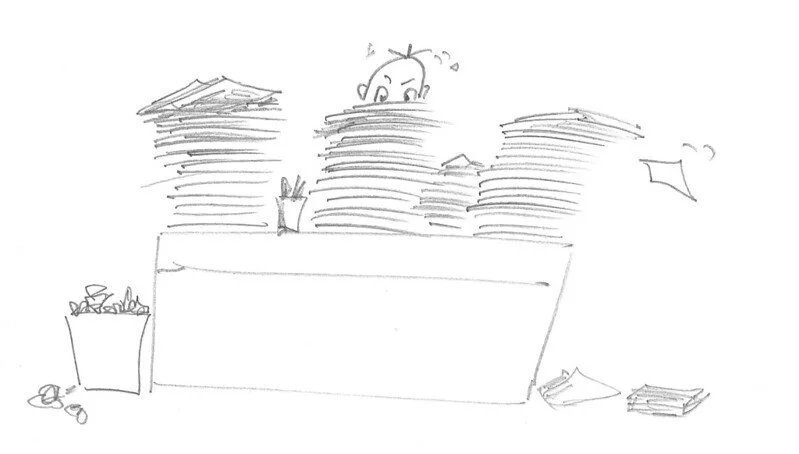
Read MoreI can say without hesitation that the most costly students in terms of my time are the ones who do the work and hand something in each week.
Read MoreI keep seeing blog articles and guides about using AI in education, and they mostly seem to be a form of painting by numbers.
Read More The early Oulipians in particular were interested in how mathematics and literature could be combined. Calvino, for example, wrote about using cybernetics in literature.
Read MoreThere is little doubt that youngsters tend to be very quick at picking things up when it comes to technology, and are just as keen to pass on their knowledge to others.
Read MoreIf you insist on getting the kids to make or use physical computing kits/robots in the classroom, here arte 8 suggestions for making sure it’s all useful.
Read MoreWhy not try something different in your Computing lessons? Here's a short list of suggestions.
Read MoreShould you start with the raw components when teaching coding, or get the kids problem-solving immediately? This article argues in favour of the latter.
Read More