
How might you use fiction as a vehicle for teaching computational thinking? Here are some ideas.
Read MoreDystopian visions: Disappearing Act Revisited
I especially worry about the displacement of subjects like art, drama, music, history and geography, all of which are vitally important but which seem to be treated as the poor cousins in the curriculum. Yes, STEAM is better than STEM, but it’s not enough.
Read MoreReview: Science Fiction: Voyage to the Edge of Imagination
My review of this book has recently been published in Teach Secondary magazine. I thought some readers might be interested in spotting the differences between the published version, and the copy I submitted.
Read More
Video by Terry Freedman — nothing to do with the exhibition, but I thought it looked science fictiony.
Review of a science fiction exhibition
There’s a great science fiction exhibition on at the Science Museum in London at the moment — until 4 May 2023. Science |Fiction is a great medium for discussing technology…
Read MoreDystopian visions: a partial index (Updated again)
I’ve added another article in this series. Hence this update.
Read MoreDystopian visions: a partial index (Updated)
Yesterday when I wrote this article I inadvertently left out one of the stories I covered. Hence this update.
Read More
Dystopian visions, by Terry Freedman
Dystopian visions: a partial index
Being a great fan of the kind of science fiction that extrapolates what is (sort of) possible now into what will probably be possible in the future, I’ve been writing a series of articles called Dystopian Visions.
Read More
What if "she" decided whether or not you got the job?
8 ideas for story-writing in Computing
Here are 8 ideas for encouraging pupils to write stories on Computing and related topics.
Read MoreOn this day: Robot rights
You can just imagine the family rows of the future, should technology ever reach the point where it isn't possible to distinguish between humans and non-humans merely by looking at them.
Read MoreDystopian visions: Disappearing Act (Updated)
<UPDATED> I especially worry about the displacement of subjects like art, drama, music, history and geography, all of which are vitally important but which seem to be treated as the poor cousins in the curriculum. Yes, STEAM is better than STEM, but it’s not enough.
Read More
Dystopian visions
Coming soon…
Read More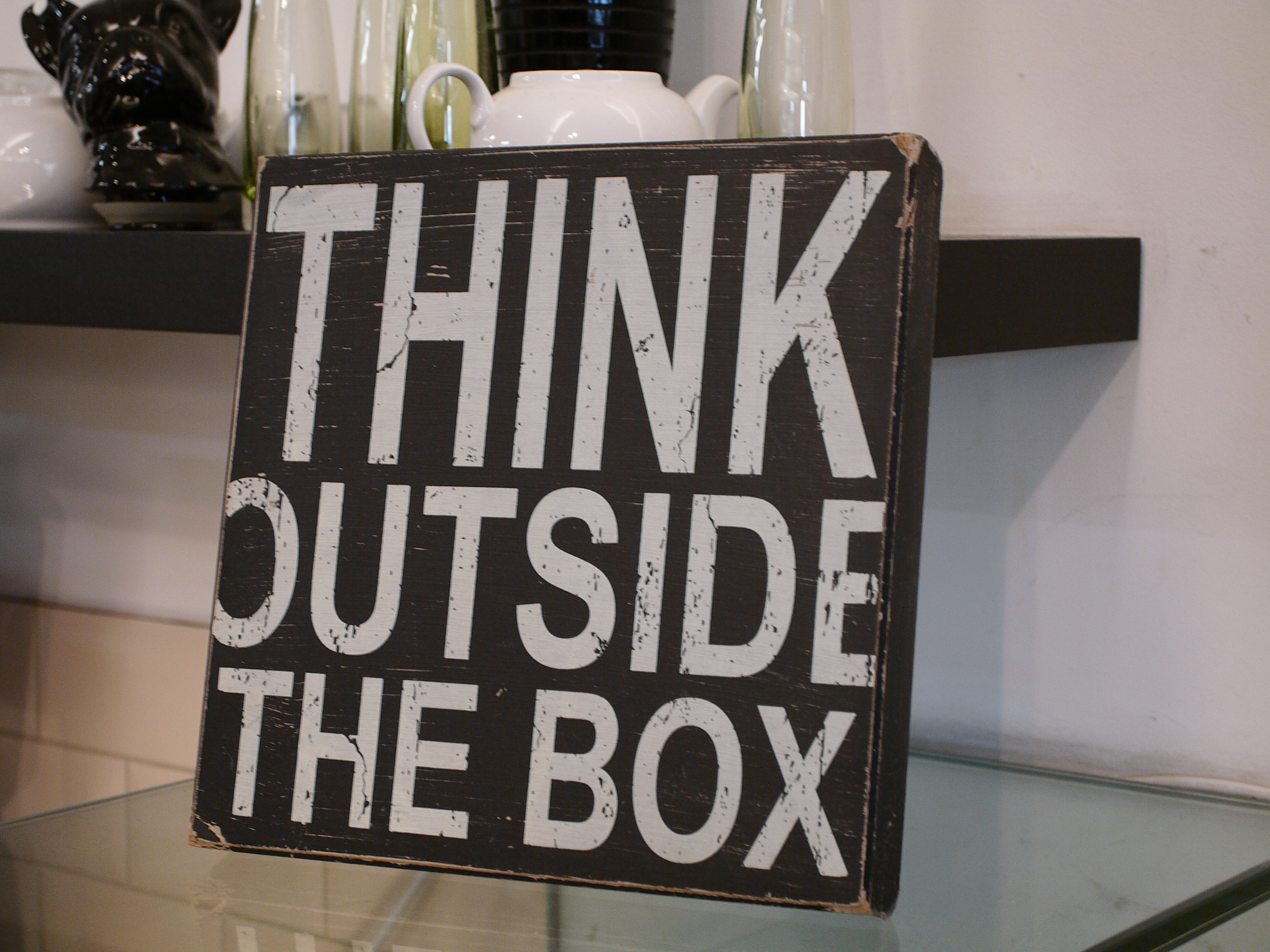
Think outside the box, by Terry Freedman
Fiction and computational thinking (Updated)
How might you use fiction as a vehicle for teaching computational thinking? Here are some ideas.
Read MoreWhat if "she" decided whether or not you got the job?
7 ideas for story-writing in Computing
Here are 7 ideas for encouraging pupils to write stories on Computing and related topics -- and the announcement of a brilliant new and free resource: 70 Kinds of Blog Posts.
Read MoreBack to the future: a data security issue?
When it comes to travelling backwards and forwards in time, there are a few cyber security issues to be worked out!
Read MoreFiction and computational thinking
Fiction and computational thinking go together in my opinion. Fiction presents exciting possibilities for teachers and students of computing.
Read MoreShould we welcome the nanocams?
I’m reading a short story by Ian Creasey called “The Edge of the Map”. In the world depicted by Creasey, automated cameras called “nanocams” take photos and newspapers (and other media, presumably) source their illustrations from the pool created by them. In other words, there is no need for specialist photographers.
This raises a number of interesting questions.
7 ways to make IT real: #0 Make IT unreal
 One way to make ICT interesting is to make sure it is relevant to young people’s lives, and has a genuine connection to the “real world”. Indeed, these are required of Ofsted in order to achieve an “Outstanding” grade in ICT. I have referred to this as “authentic learning”. So, in the next few articles I will be suggesting ways of approaching this.
Stop Press! The machines have taken over!
 Kevin Hodgson has written a make-believe article about technology taking over from humans. The theme is a well-known one in science fiction circles, of course, but what I especially like about Kevin’s article is that he has written in the form of a newspaper article. To do so he has used a fake headline generator, for which he provides a link in the story.
Would you have sex with a robot?
 Can you envisage a time when human beings will have relationships with robots? You could argue that to some extent we already have a relationship with electronic things (in my case, a love-hate relationship!), but can you imagine a time when we might marry robots, or have sex with them?
Out of this world
 It’s August in Britain, and it’s raining. In fact, I was reading today that the Meteorological Office has issued a severe weather warning for the South-East of England! So, a typical British summer in other words. What better time, if you’re still enjoying the school holidays, to visit an exhibition or two?