
Self-assessment is useful, but it needs to be introduced properly.
Read MoreWhat I've been reading
Some educational research books are better written than others. "Making a difference in education" is one of them.
Read MorePerverse incentives in assessment
Trying to be helpful to pupils while assessing their understanding could actually be counter-productive.
Read More
Digital Education post-Bett edition now out
The latest issue of Digital Education is now available. Guest contributions from Crispin Weston, Ian Addison and many others. Observations on Bett 2016, assessment, Nicky Morgan's speech at Bett and Stephen Potter are just some of the things covered.
Read More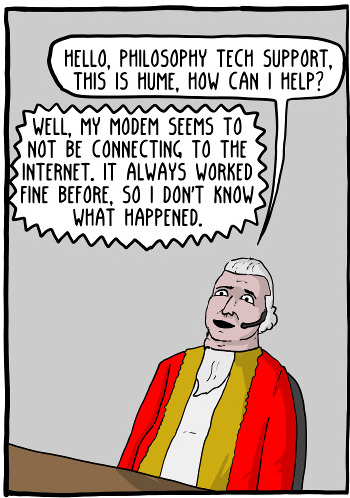
Philosophy and technical support
What if philosophers provided technical support...?
Read More
Logging in -- Photo from www.pexels.com CC0
My best and worst IT lessons #8: Logging in
logging in should take seconds -- not a whole lesson!
Read More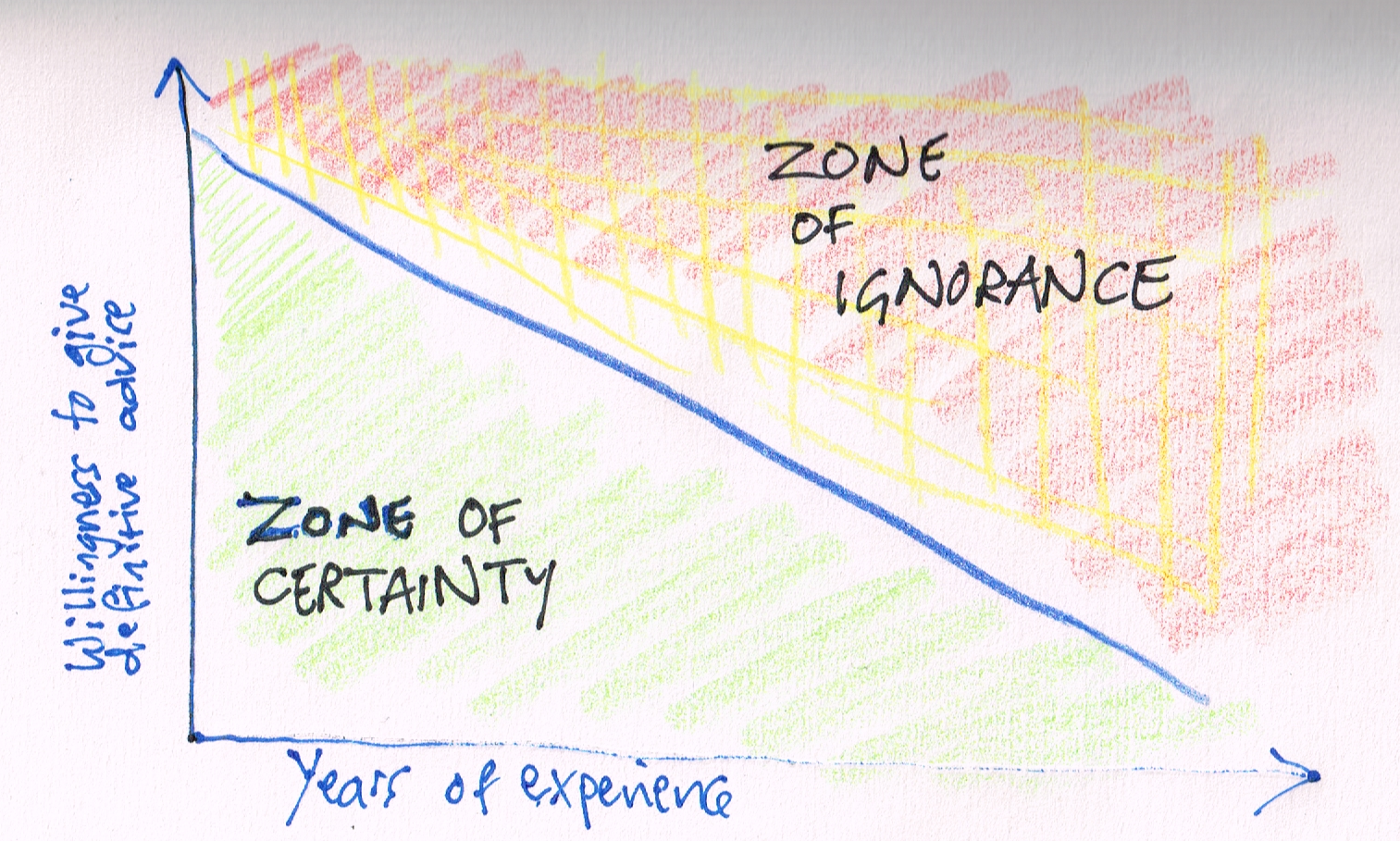
Ignorance vs certainty, by Terry Freedman
Uncertainty and ignorance: an issue for assessment?
If a student fails your assessment tasks, it could be that she knows too much!
Read More
The assessment machine, by Terry Freedman
The trouble with Levels
What was wrong with the old system of levels. In a nutshell.
Read More
A visual representation of the Digital Education newsletter
Coming soon: a new edition of Digital Education
With reports on Bett 2016 from 12 people, plus a humorous but incisive article on Nicky Morgan's speech at Bett (by Crispin Weston), and articles on assessment, Stephen Potter, parental engagement, a competition and book reviews, the forthcoming edition of Digital Education promises to be a fine read! Sign up now (it's free).
Read More
Bett 2016 -- Photo by Terry Freedman (c) 2016
12 things to do now that Bett 2016 is over
Now that Bett 2016 is over, it's time to get down to work and capitalise on the experience! Here are 12 ways you can do so.
Read More
Diploma. Picture from Pixabay.com CC0
ICT and Computing Qualifications Update
What's the latest position regarding which qualifications are available in ICT and Computing? This free document contains the information you need.
Read More
Picture from Pixabay.com CC0
My best and worst IT lessons: why?
Why did I start the series called "My best and worst IT lessons"? Shelly Terrell interviewed me and asked:
What inspired you to share your best and worse lessons?
How can reflecting on our best and worse lessons enhance our teaching?
Read More
Photo from www.pixabay.com CC0
New publications from ICT & Computing in Education
Two new free publications are now available for subscribers to Digital Education.
Read More
Questions, questions, questions Picture from www.pixabay.com CC0
My best and worst IT lessons #7: What's the interest rate?
Whether or not you can easily look up the answers to questions is far less important than asking the right questions in the first place.
Read More
Review of Thinking Allowed on Schooling
Thinking Allowed is a godsend to all those people in education who think that many of the policies and ways of doing things don't really work, but are not really in a position to say so.
Read More
Suspicious enthusiasm? Picture from www.pixabay.com CC0
My best and worst IT lessons #6: Adorable spreadsheets
Why a lesson on spreadsheets became the highlight of the kids' day, and a nightmare to haunt me forever.
Read More
Modelling and reality. Picture from www.pixabay.com CC0
My best and worst IT lessons #5: Modelling
How objective are computers really? It's importtant to try to work out what is actually going on when it comes to modelling or running simulations.
Read MoreWho's trackin' ya, baby?
What happens when you visit a website? Information about those pesky cookies.
Read More
My best and worst IT lessons #4: Murder Mystery
Flat file databases don't have to be boring: they can be an opporttunity for pupils to test their detective skills!
Read More
We need more teachers, and not just master teachers. Picture from www.pixabay.com CC0
5 reasons there is a shortage of Computing at School Master Teachers, and what we can do about it
Over three years since the new Computing curriculum in England was mooted, and more than a year since it came into being, there are still not enough teachers who feel competent and confident to teach it. This is not least in part due an insistence on an elitist approach to training them. In this article I suggest a few possibly more fruitful approaches.
Read More