Digital Education Supplement ISSN 2517-1550
Leading and managing Computing and ICT
This page will be automatically updated to show the most recent 30 articles as I add more articles in this category.
Featured


















Digital Education Supplement ISSN 2517-1550
This page will be automatically updated to show the most recent 30 articles as I add more articles in this category.
The notes below formed the basis of a presentation I did at a conference a few years ago. Take from it whatever you find most relevant to your situatiion.
This is one of the fundamental tenets of Economics, but which can be found in everyday life all the time.
The computer rooms were kept locked at all times, but staff could access them any time they liked. All they had to do was get the keys….
This concept is usually applied in the context of a company attempting to break in to a particular market. In the context of a school, we can apply the idea to the taste of encouraging teachers to use the computing facilities.
“It’s not about the technology” sounds logical, but in my experience it is certainly not the whole story.
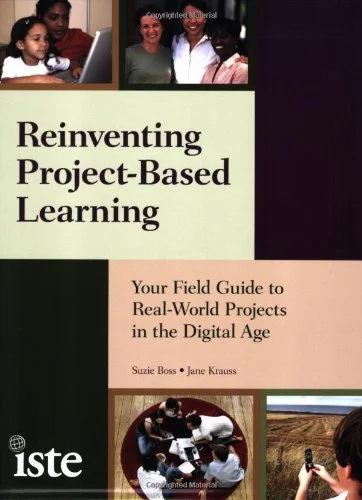
I can verify from first hand experience that PBL kept students highly engaged, and helped them to develop skills such as working with others and independent research.
I have somewhat dichotomous views of this question of whether leaders make a difference, or much of a difference.
I have somewhat dichotomous views of this question of whether leaders make a difference, or much of a difference. I think my views can be classified as macro and micro.
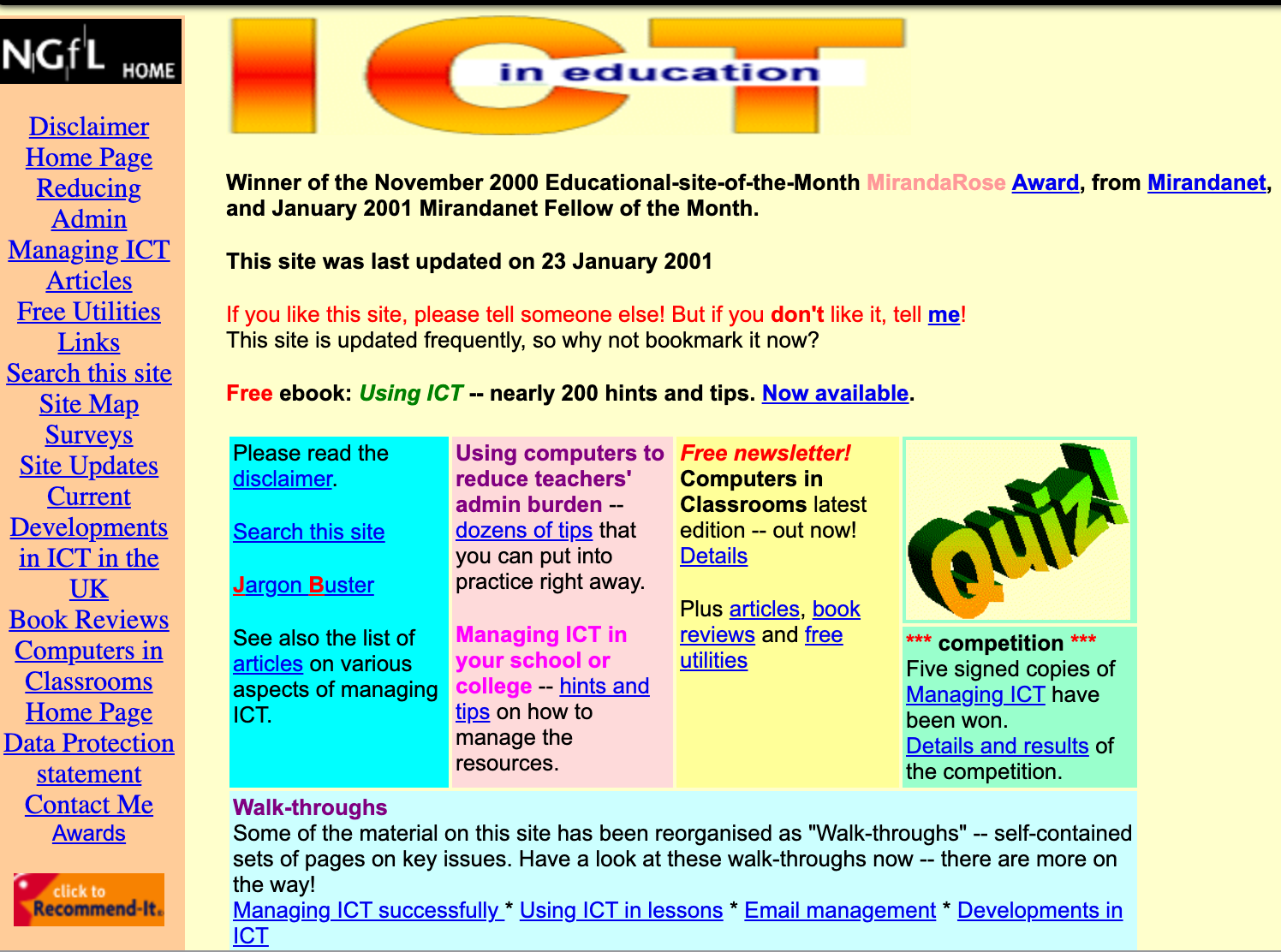
When I first launched the ICT in Education website (since renamed to the ICT and Computing in Education website), it was hard going. Despite using Microsoft Front Page, and experimenting at various times with various HTML editors, it was hard work, in two respects.
Have you noticed that more and more companies seem to have outsourced their customer service to an AI bot?
I submitted my review of this book to Teach Secondary magazine, an educational magazine in the UK. The first review is what the magazine published. The second one is what I actually wrote! In substantive terms there is little difference between the two, but you may find it interesting to see what the editor altered.
I keep coming across articles and research about schools’ AI policies — or the lack of them. It seems to me that we’ve been here before, with policies about teachers’ and departments’ use of technology, and e-safety. There is a familiar pattern…
I went for a medical consultation recently — don’t worry, nothing terrible. As James Cagney so memorably put it in one of his films, I ain’t dead yet.
If part of your job is to encourage other teachers to use technology in their lessons, this article, based on my own experiences, may help. Now updated again with additional points.
I came across an interesting article about AI increasing workload rather than reducing it.
All of the reasons to attend that I’ve suggested in 21 reasons to attend conferences are valid, but they are personal, in a sense. So here are 9 suggested arguments that may appeal to your senior leadership team.
In my past roles as ICT Co-ordinator or e-learning co-ordinator, I have formed and chaired an ICT or e-learning committee. What are the advantages and disadvantages of having such a body?
While it's fashionable to decry the use of computer labs, still they continue to exist in many schools. If you have, or are thinking of having, a computer lab, what ought it to look like? What should it contain?
Even the most technophobic adults can be persuaded to engage with their child’s IT studies.
(c) Terry Freedman All Rights Reserved
One of the things you have to acknowledge, whether you like it or not, is that to some extent people do judge by appearances. So, how does your computing provision appear to others?