This arrived a few days ago, and I will be doing a proper review soon. This article is just a quick “first impressions” post.
The first thing I noticed is that more than fifty teachers have contributed to the book, which strikes me as a promising start.
The second thing that struck me is that its small footprint is rather deceptive. It contains over 300 packed pages. Nice quality too.
Thirdly, the book considers different sorts of graphic organisers, how to construct them, and what to use them for, plus useful hints and tips. Thus my first impression is that this is a handy toolkit which, once mastered, can be applied in lots of different contexts in any subject.
I hope I’m not wrong, or if I am, that I am pleasantly surprised!
Other “quick looks”:
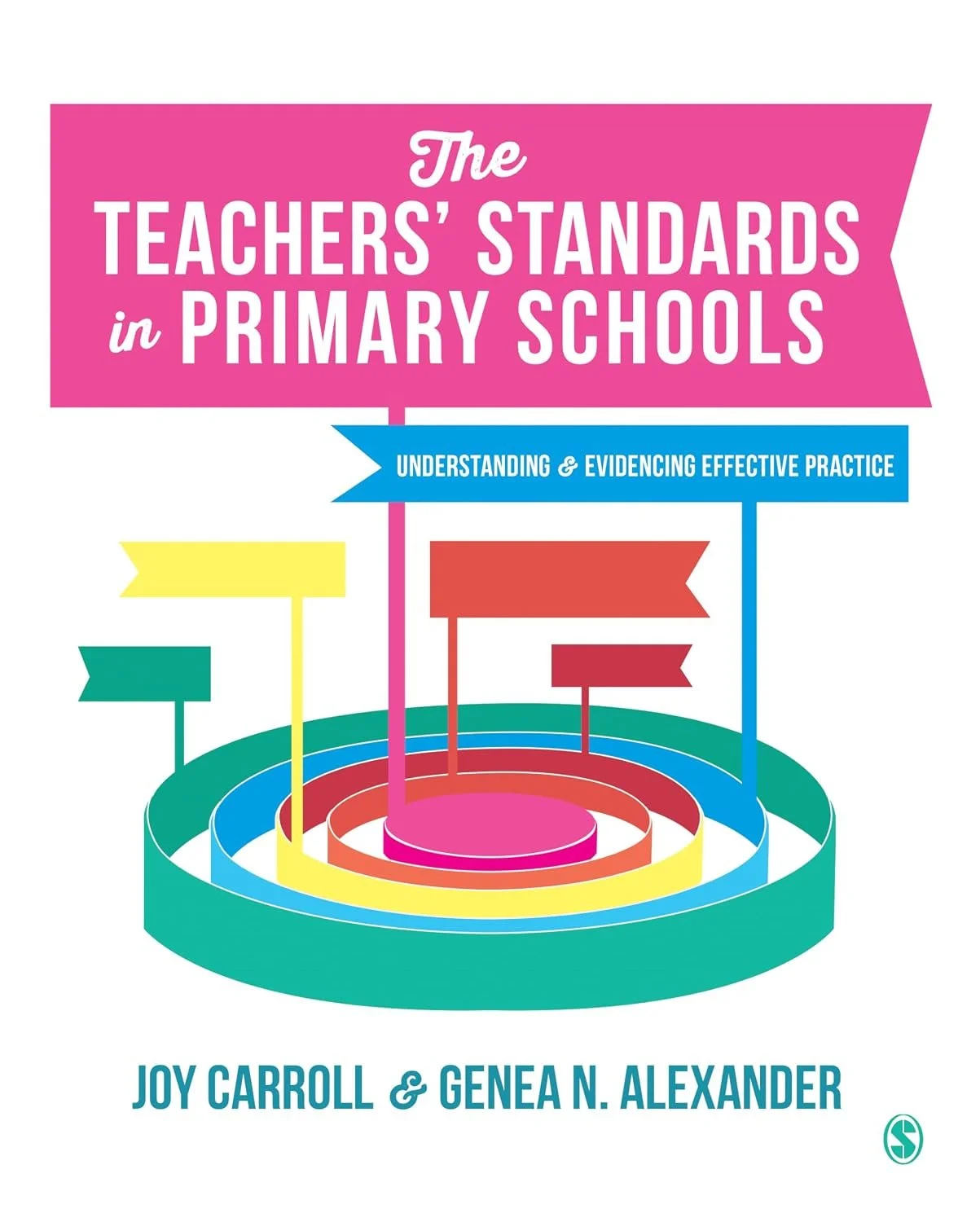
This is very well set out. It takes each standard, and gives you ideas on how to achieve it, and what success in this context looks like.
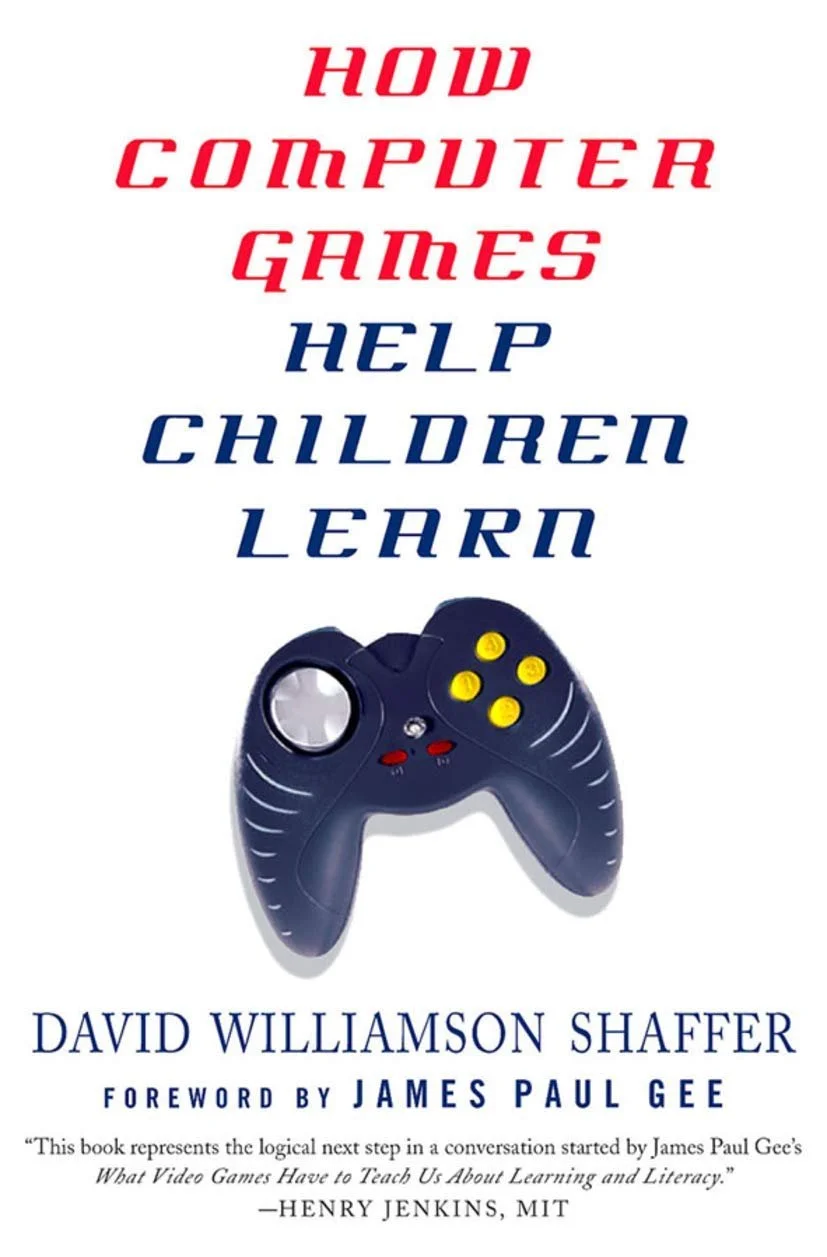
When I was teaching Econnures I realised that I could have taught quite a chunk of the synabus if I'd been able to run Sim City on the school network.
I can verify from first hand experience that PBL kept students highly engaged, and helped them to develop skills such as working with others and independent research.
Although this book is published by the BCS, the Chartered Institute for IT, the focus is not on IT at all.
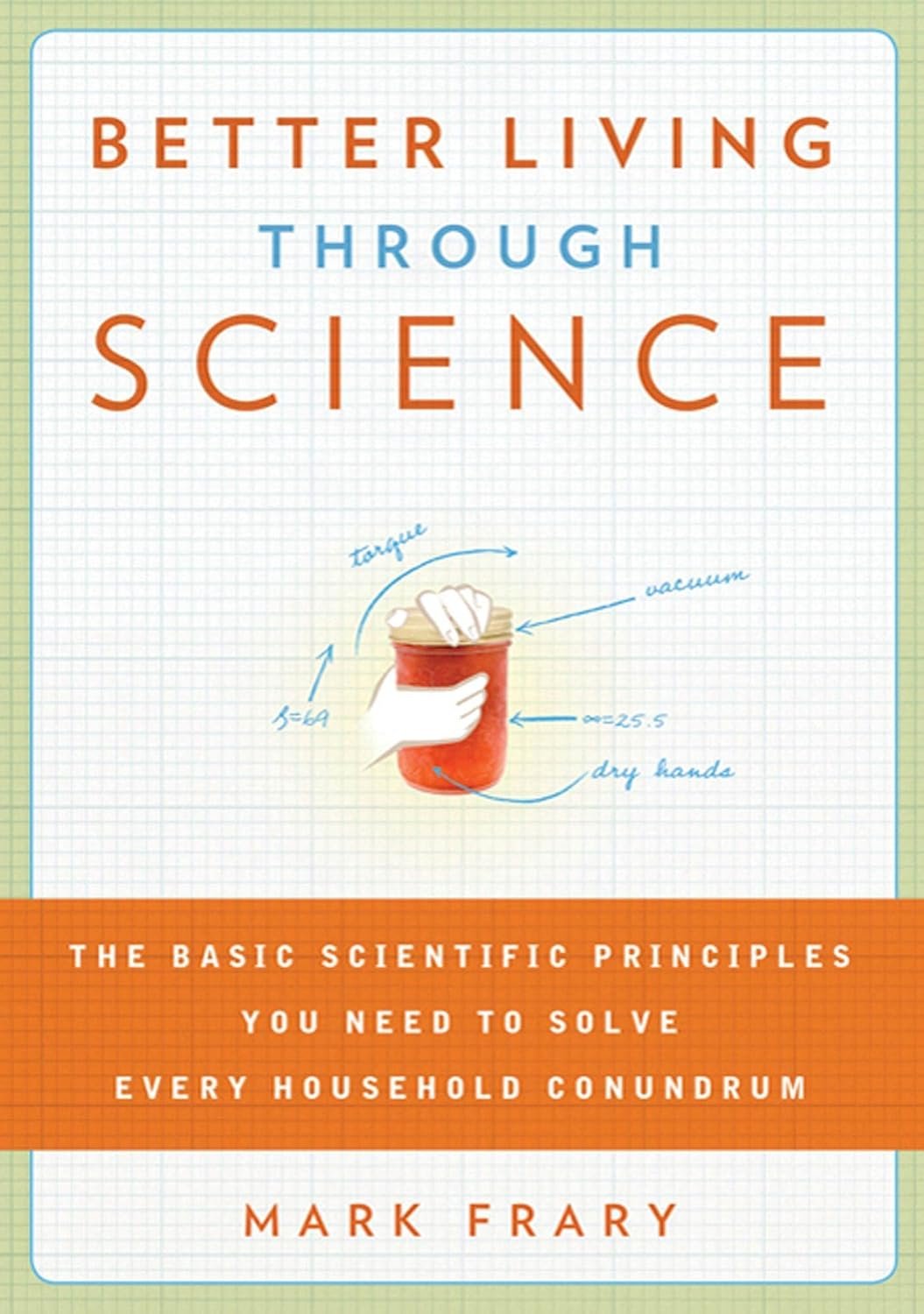
I have often thought that I would have been much more interested in science at school, and been much more successful at it, had the teachers taught us anything of practical value.
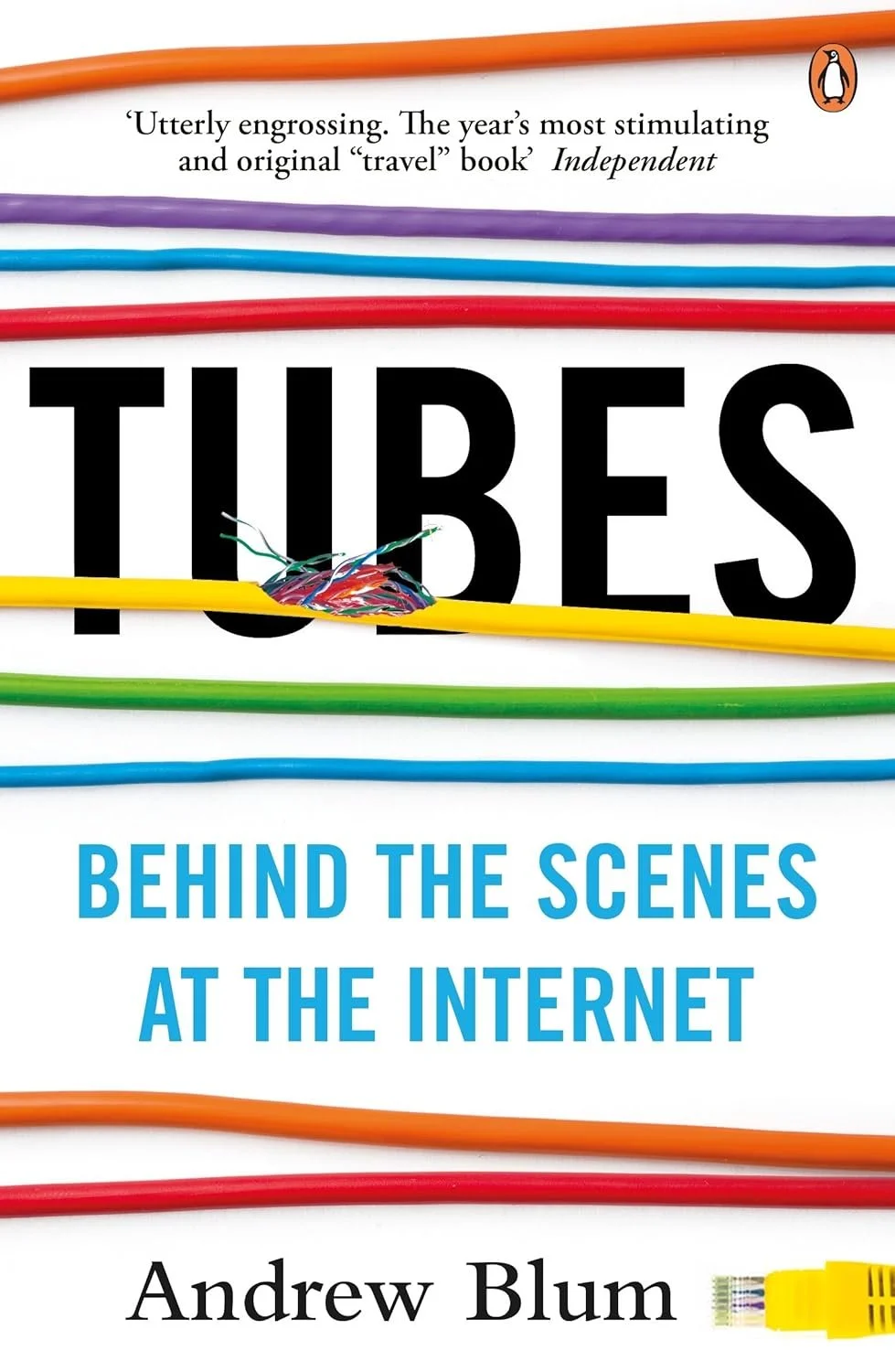
We are all so accustomed to using the internet, searching the world wide web — "going online" — that most of us most of the time probably do not stop to consider the question: yes, but where exactly is it?
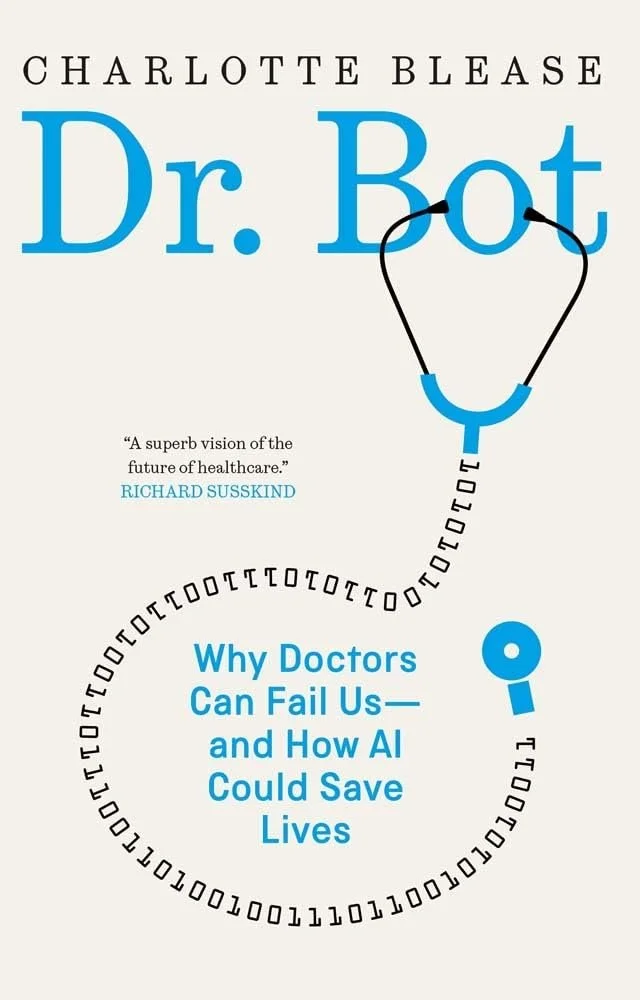
Dr Bot discusses something I hadn’t really considered…
I borrowed this book from the library yesterday and have had to stop reading it.
A few hundred years ago editors were more like collators. They would gather together bnits and pieces of news from various sources and writers and produce a pamphlet.
It was a great source of pride to me, getting hundreds of students through their A levels and encouraging them to go to university. But for some time I have asked myself a question: would I recommend this route now?

If you found this article interesting or useful (or even both!), why not subscribe to my free newsletter, Digital Education? It’s been going since the year 2000, and has slow news, informed views and honest reviews for Computing and ed tech teachers — and useful experience-based tips.