
• Front Page
  • Search
    • Digital Education
    • Terry Freedman's Books Bulletin
  • RSS
    • Welcome
    • The "About" Page
    • Testimonials
    • CV/Resumé
    • My Writing
    • Published articles
  • Corrections Policy
Menu

ICT & Computing in Education

Articles on education technology and related topics
  • Front Page
  • Search
  • Newsletters
    • Digital Education
    • Terry Freedman's Books Bulletin
  • RSS
  • Info
    • Welcome
    • The "About" Page
    • Testimonials
    • CV/Resumé
    • My Writing
    • Published articles
  • Corrections Policy
ENIAC. U.S. Army Photo [Public domain], via Wikimedia Commons. Picture credit for Eniac: This image is a work of a U.S. Army soldier or employee, taken or made as part of that person's official duties. As a work of the …

ENIAC. U.S. Army Photo [Public domain], via Wikimedia Commons. Picture credit for Eniac: This image is a work of a U.S. Army soldier or employee, taken or made as part of that person's official duties. As a work of the U.S. federal government, the image is in the public domain. URL: https://commons.wikimedia.org/wiki/File:Eniac.jpg

Getting touchy and feely about Computing -- illustrated

September 3, 2024

When it comes to teaching any subject, "hands on" is definitely a great way of engaging kids. This especially applies to teaching computing, obviously. But I am talking about making the past come alive.

When I was teaching Economics, one day in a local market I happened to come across a stall selling bank notes from the German hyperinflation era -- you know, when a wheelbarrow full of money was less valuable than the wheelbarrow itself. These were goung for a song, and so I bought them, put them in one of those display books that artists and other creatives use to present their ideas to potential clients, and then took that into school.

I taught a lesson about inflation while the students took turns to look at these bank notes of impossible denominations -- notes that had been used by real people. The students were fascinated.
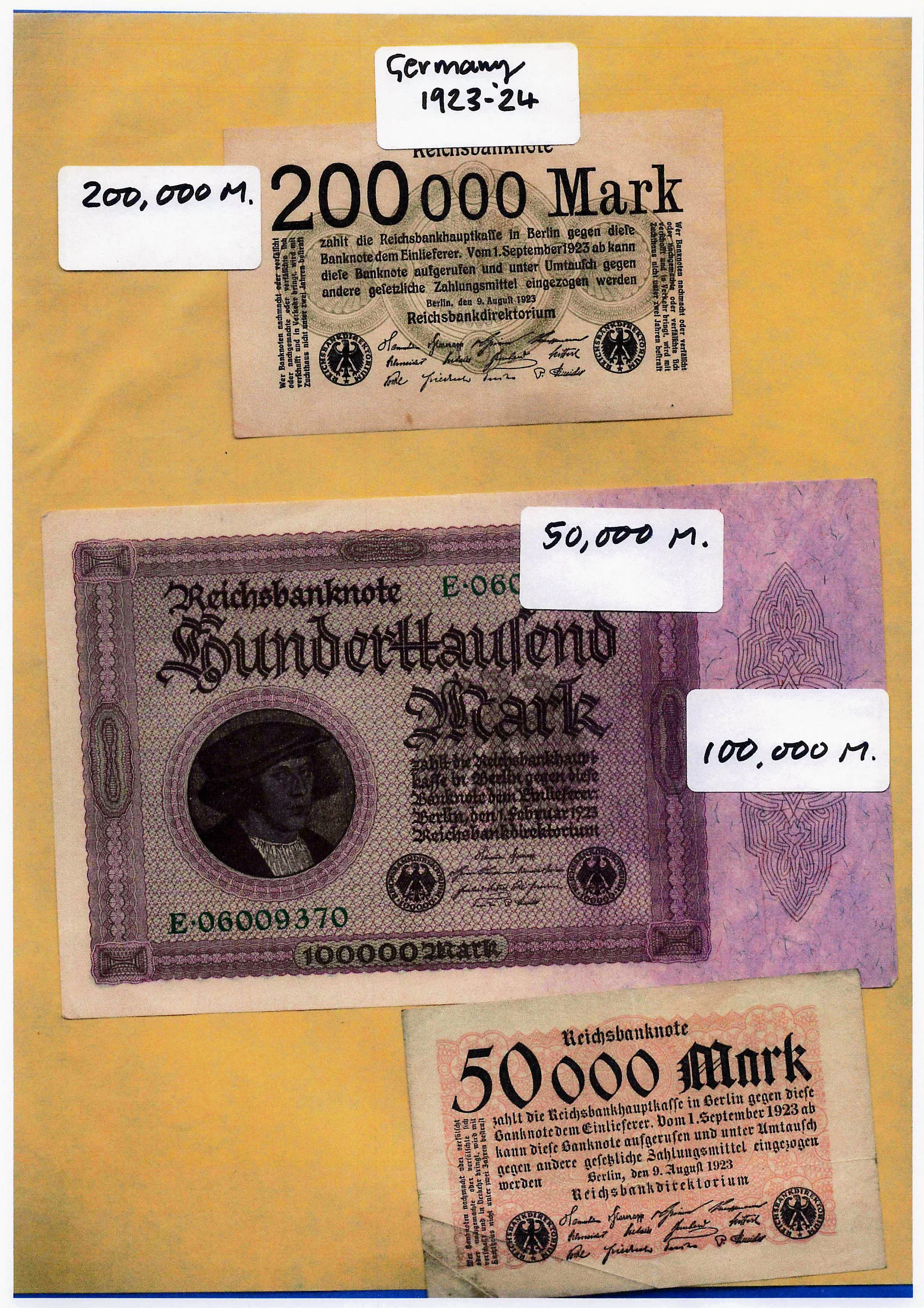
Original bank notes. Photo by Terry Freedman
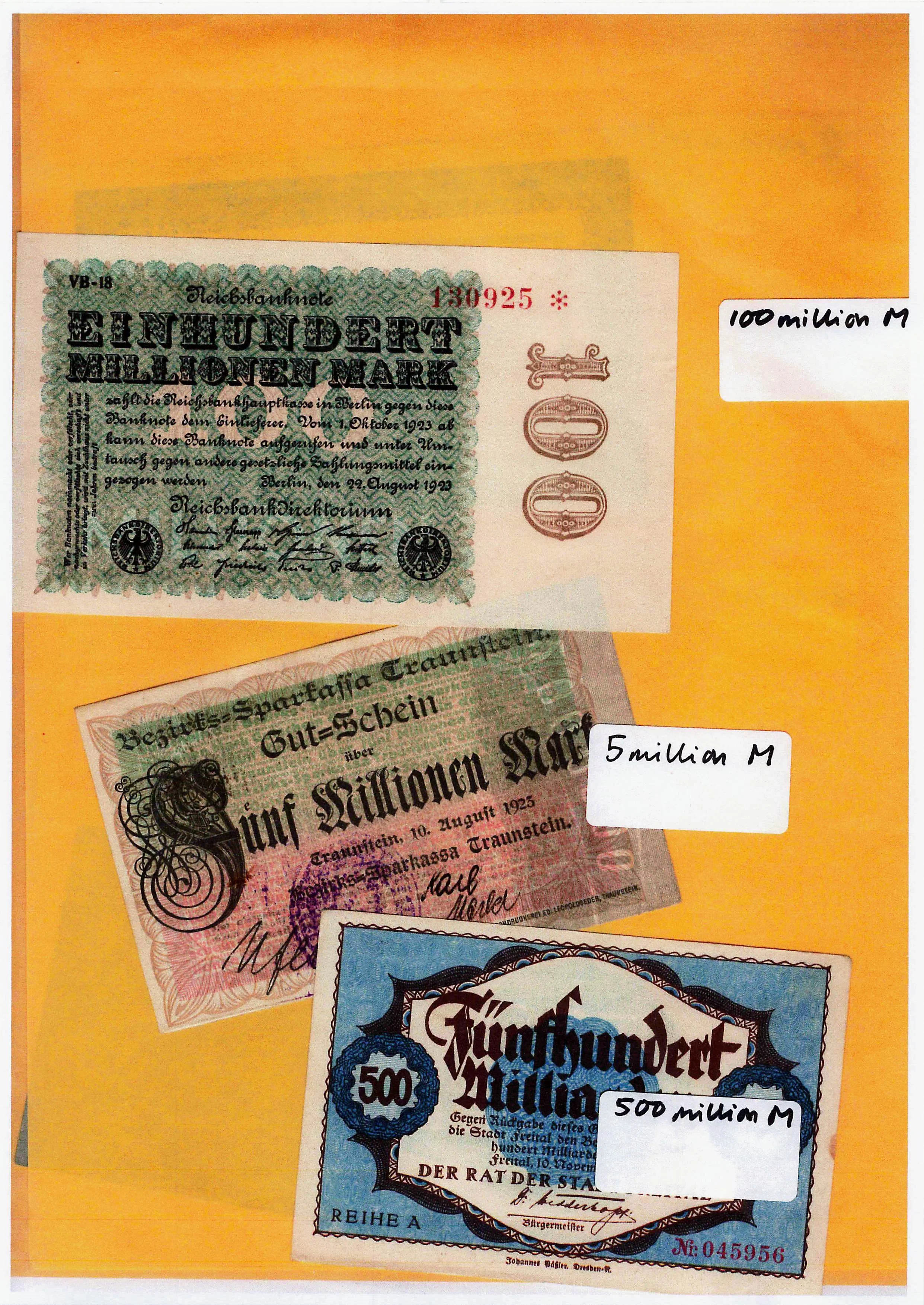
Original bank notes. Photo by Terry Freedman
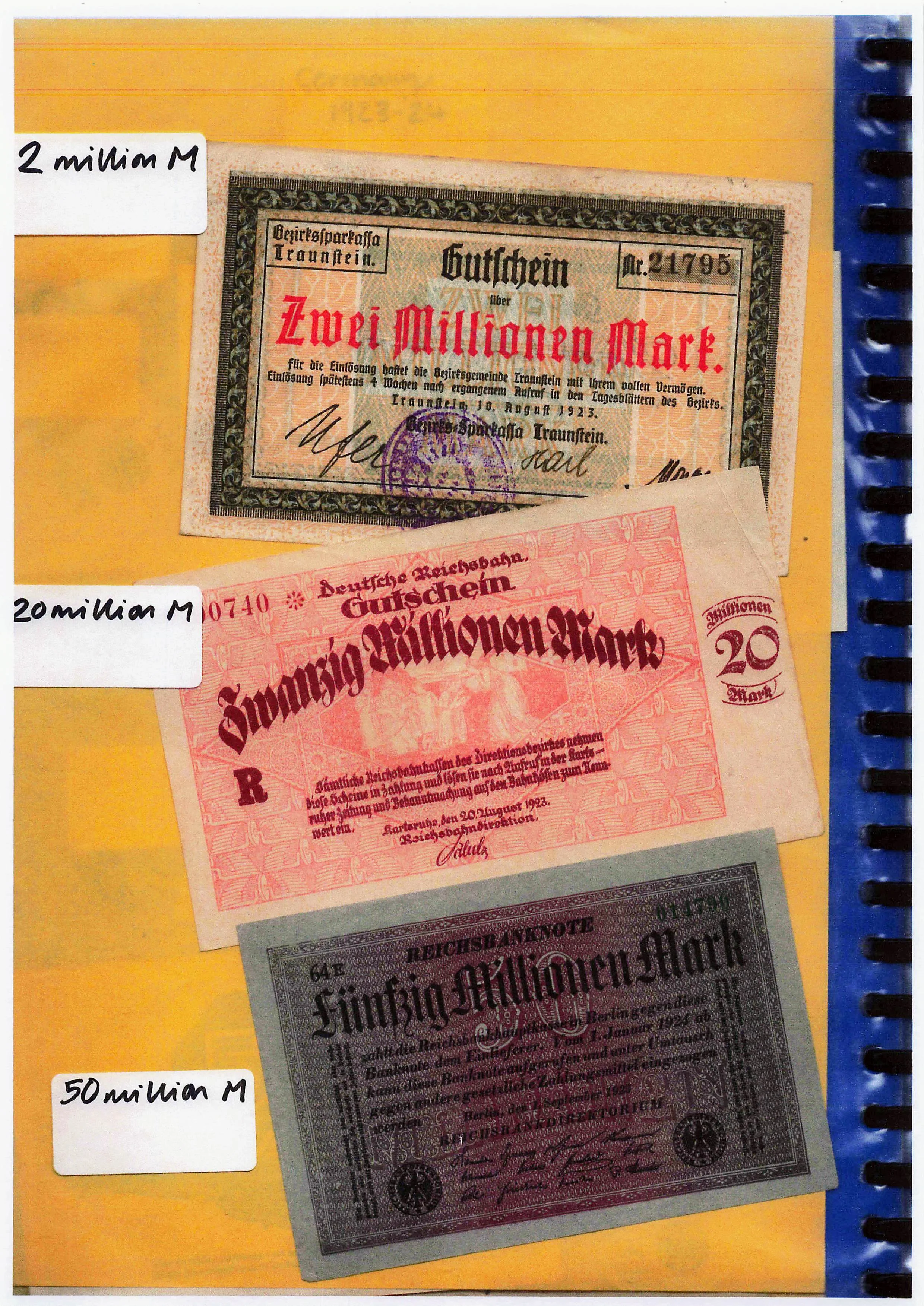
Original bank notes. Photo by Terry Freedman
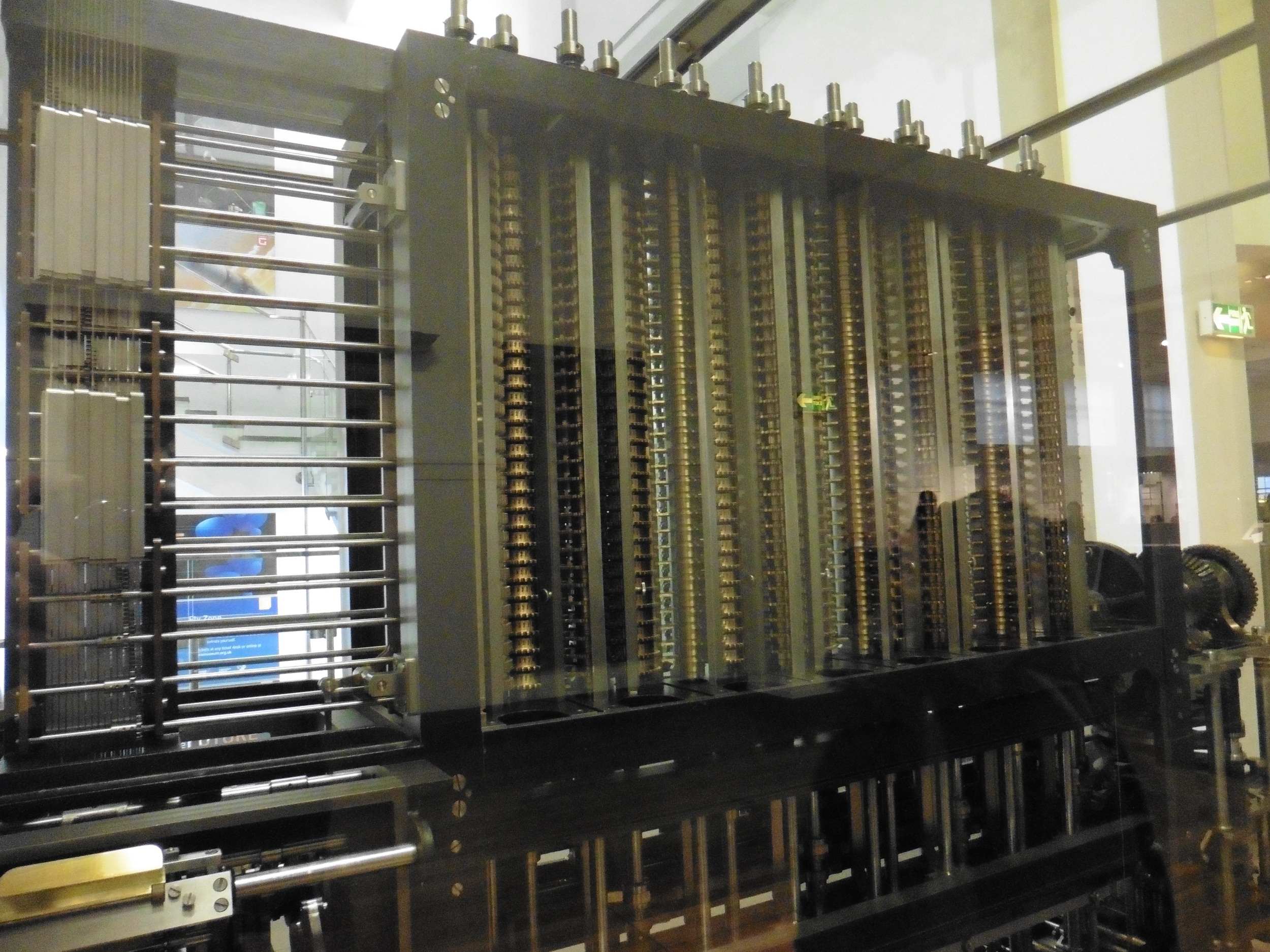
Difference Engine Number 2

Difference Engine Number 2

After I'd switched to teaching Computing, I had a similar experience when I printed off a picture of Eniac and showed the kids what computers used to look like. Far from being something you could have on your desk, they were things you could walk around in!

It's not only kids who get moved by this sort of thing. TAround that time I visited the Science Museum in London, and headed straight for the History of Computing section in the Information Gallery. I was fascinated by the Difference Engine that had been constructed by following Babbage's design. All those cogs and wheels and intricacy for doing the kind of calculations that people are able to carry out today with an app on their phone!

But what fascinated me the most was this: in the room dedicated to Ada Lovelace there was on display a lock of her hair. To think that 200 years after she was born, here was I looking at a few strands of her hair. It was almost as if the gap of 200 years didn't exist. I can't explain it, but the feeling was one of wonderment, and of being in the presence of greatness, in the presence of someone who had worked out before anybody else what was possible. Incidentally, check out Thinking Machines: Stories from the history of computing.

I've come to the conclusion that bring the past into the classroom, or the classroom in touch with the past, is a sure-fire way of making the present even more interesting than it already is.

In Computing Tags Eniac, Science Museum, Difference Engine, Babbage, Ada Lovelace
← Coming soon: 55 things to do at the start of the school yearEdtech Diary: Wake up and smell the coffee →
Recent book reviews
digital culture shock.jpg
Quick look: Digital Culture Shock: Who Creates Technology and Why This Matters

Chapters look at how technology is used around the world, online communities, and building a culturally just infrastucture, amongst other topics.

Read More →
Artificially Gifted Notes from a Post-Genius World.jpg
Quick look: Artificially Gifted: Notes from a Post-Genius World

The author, Mechelle Gilford, explores how AI may render our usual way of interpreting the concept of “gifted” obsolete.

Read More →
dr bot.jpg
Quick look: Dr. Bot: Why Doctors Can Fail Us―and How AI Could Save Lives

Dr Bot discusses something I hadn’t really considered…

Read More →
seven lessons 2.jpg
Review: Seven Brief Lessons on Physics: Anniversary Edition

Rovelli draws readers into his world by describing the development of theories that scientists have posited to try and explain our world and the universe beyond.

Read More →
dear data.jpg
Review: Dear Data

The authors spent a year sending each other postcards on a different theme each week, with pictorial representations of the data they had collected.

Read More →
Blueprints.jpg
Review: Blueprints: How mathematics shapes creativity

What place might Blueprints merit on a teacher’s bookshelves?

Read More →
renaturing.jpg
Review: Renaturing: Small Ways to Wild the World

This book could prove useful to schools keen to cultivate their own dedicated ‘back to nature’ area.

Read More →
listen in.jpg
Review: Listen In: How Radio Changed the Home

A couple of generations before the first internet cafés were opened, someone attempted pretty much the same thing by opening a ‘radio café’.

Read More →
level up.jpg
Review: Level Up Your Lesson Plans: Ignite the Joy of Learning with Fun and Educational Materials

This book is awash with ideas.

Read More →
conversations-with-Third-Reich-Contemporaries.jpg
Review: Conversations With Third Reich Contemporaries: : From Luke Holland’s Final Account

This may be useful for the Hiostory department in your school.

Read More →
Dig+Ed+Banner.jpg

Contact us

Privacy

Cookies

Terms and conditions

This website is powered by Squarespace

(c) Terry Freedman All Rights Reserved